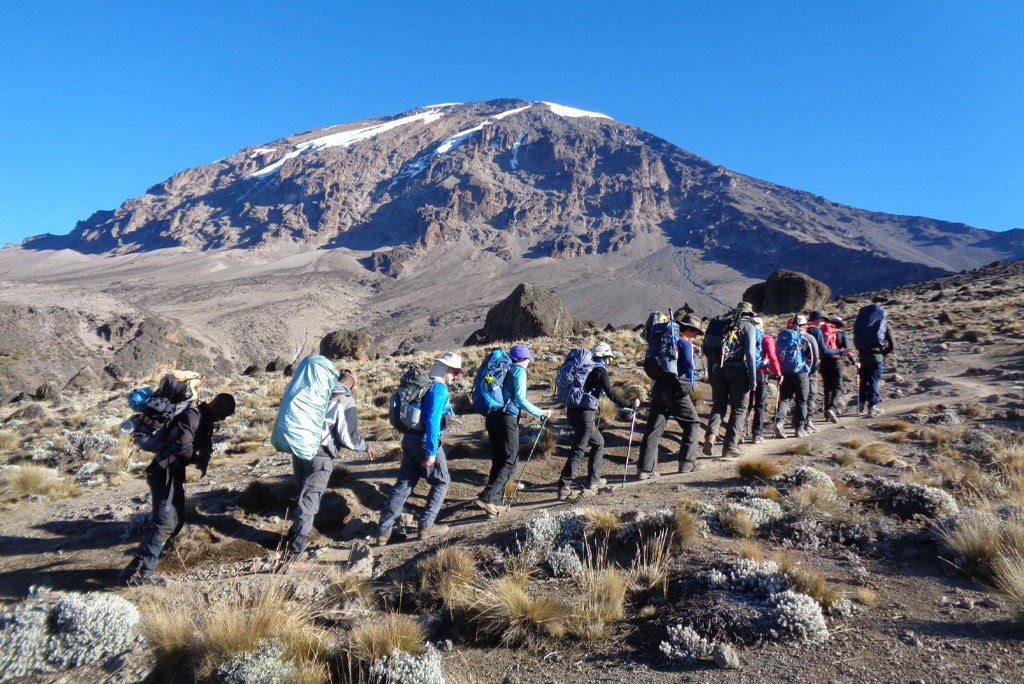
climbing kilimanjaro
Lorem ipsum dolor sit amet, consectetur adipiscing elit. Ut elit tellus, luctus nec ullamcorper mattis, pulvinar dapibus leo.
The Ultimate Guide to the
Roof of Africa
Rising majestically to an alpine elevation of 5,895 meters (19,341 feet) above sea level, Mount Kilimanjaro stands proudly as the highest mountain in Africa and the tallest free-standing volcanic mountain on Earth. Known globally as the “Roof of Africa,” conquering its snow-capped summit at Uhuru Peak is a definitive bucket-list triumph that requires absolutely no technical mountaineering skills, ropes, ice axes, or previous climbing experience.
Because Kilimanjaro is a high-altitude walking trek rather than a technical climb, any adventurer possessing a good baseline of general fitness can successfully stand on the peak, provided they utilize a scientifically paced acclimatization schedule and expert-led wilderness preparation. To help you transition seamlessly from dreaming to planning, this ultimate Kilimanjaro trekking guide compiles over a decade of local, on-the-ground operational expertise and insights from thousands of successful summits.
This comprehensive planning blueprint delivers everything you need to engineer a safe, flawless, and unforgettable high-altitude expedition, mapping out critical details on Kilimanjaro climbing routes (including Lemosho and Machame), transparent tour costs, historical success rates, targeted training regimens, mandatory altitude safety protocols, specialized travel insurance requirements, and essential Tanzanian arrival logistics.
How Hard Is It to Climb Mount Kilimanjaro?
A Complete Guide for Beginners
If you are wondering whether a beginner can climb Kilimanjaro, the answer is a resounding yes. Mount Kilimanjaro is highly accessible to first-time trekkers with absolutely no prior backpacking or high-altitude climbing experience. The defining factor between a successful summit and an incomplete trek isn’t technical hiking skill; it is proper, scientifically paced high-altitude acclimatization. Choosing a longer 7 to 8-day Kilimanjaro route dramatically optimizes your safety margins, giving your respiratory system the structural time it needs to adapt to the declining atmospheric pressure. To maximize your summit success rate, it is vital to partner with a reliable local outfitter and strictly follow your mountain guides’ safety protocols on the trail.
To gain real-world insights into the day-by-day trail experience, browse our collection of inspiring Kilimanjaro climber trip reports and success stories written by our past adventurers. If you are wondering how to physically prepare your body for the elevation changes, check out our comprehensive, step-by-step Kilimanjaro training guide and packing checklist.
Based on our extensive expedition tracking data, travelers who climb with Africa Rise Up Safaris achieve industry-leading summit success statistics. At the absolute core of our mountain operations is an elite team of Wilderness First Responder (WFR) certified guides who are extensively trained in high-altitude emergency medicine. We tightly safeguard your journey by providing comprehensive emergency medical kits, state-of-the-art camping equipment, and a continuous supply of pressurized medical oxygen on every single expedition, utilizing only premium routes engineered for smooth, natural acclimatization.
Kilimanjaro Itineraries
Planning to climb Mount Kilimanjaro? Explore our diverse selection of customizable Kilimanjaro itineraries and comprehensive “Bush and Mountain” combo packages designed for all experience levels. Whether you are looking for a focused 6-to-9-day mountain trek or a multi-day expedition that seamlessly pairs a high-acclimatization summit climb with an iconic wildlife safari in Tarangire, the Serengeti, or the Ngorongoro Crater, we tailor every journey to your specific adventure goals.
What You Need to Know Before
You Climb Kilimanjaro
Planning a successful expedition to the Roof of Africa requires anchoring your preparation around three critical pillars: timing, altitude safety, and transparent budgeting. Below is the essential breakdown of what you need to know before booking your Mount Kilimanjaro climb.
Best Time to Climb Mount Kilimanjaro
To experience optimal trekking conditions, you should target the mountain’s two primary dry seasons when the Kilimanjaro weather is most predictable and clear:
The Warm Window (Late December to Early March): Characterized by clear mornings, exceptional visibility, and slightly warmer temperatures on the lower slopes.
The Dry Window (Mid-June to Late October): The most popular trekking period, featuring crisp, dry days and pristine climbing trails.
Demystifying the Rainy Season: Traveling during the shoulder months does not mean enduring non-stop torrential downpours. During the rainy seasons, showers typically follow a predictable pattern, beginning in the late afternoon. This gives trekkers a substantial window of clear weather every morning to complete their daily trail distances.
What’s the Safest Kilimanjaro Itinerary?
When tackling extreme altitude, your choice of itinerary dictates your safety. A scientifically sound, high-acclimatization 7 to 8-day Kilimanjaro route dramatically improves your body’s natural adaptation process and pushes summit success rates past 95%.
However, route length is only half the equation; elite guide expertise and real-time decision-making on the trail are just as vital.
Key Factors That Engineered a Safe Ascent:
7 to 8-Day Timelines: Provides the respiratory system with the structural time required to adapt to declining barometric pressure.
The “Climb High, Sleep Low” Profile: Routes designed to test higher elevations during the day and drop down to lower camps for overnight rest.
Proactive Health Monitoring: Expert guides tracking pulse rate, lung sounds, and blood oxygen levels twice daily to catch early symptoms of altitude sickness.
On-Mountain Safety Infrastructure: Constant access to pressurized medical oxygen cylinders and fully loaded wilderness first-aid kits.
Among all options, the 8-Day Lemosho Route is globally recognized as one of the safest itineraries on the mountain due to its gradual, high-acclimatization progression.
How Much Does It Cost to Climb Mount Kilimanjaro?
In 2026, a safe, ethically managed, and comfortable 7-day Kilimanjaro group climb averages approximately $3,000 per person. If you opt for shorter 5 to 6-day itineraries or book during discounted shoulder seasons, prices range between $2,200 and $2,700.
2026 Price Breakdown Baseline
Mandatory Government Park Fees: ~35%
Crew Wages, Ethical Operations & Safety Gear: ~45%
Logistics, High-Calorie Catering & Equipment: ~20%
An Essential Warning on Underpriced Tours: Any trekking agency offering packages below these baselines should be approached with extreme caution. Low-cost operators almost always cut corners by exploiting their mountain crews. Choosing a budget operator directly correlates with the mistreatment of porters, who are frequently underpaid, poorly clothed, and inadequately fed—a practice that compromises the safety, morale, and integrity of your entire expedition.
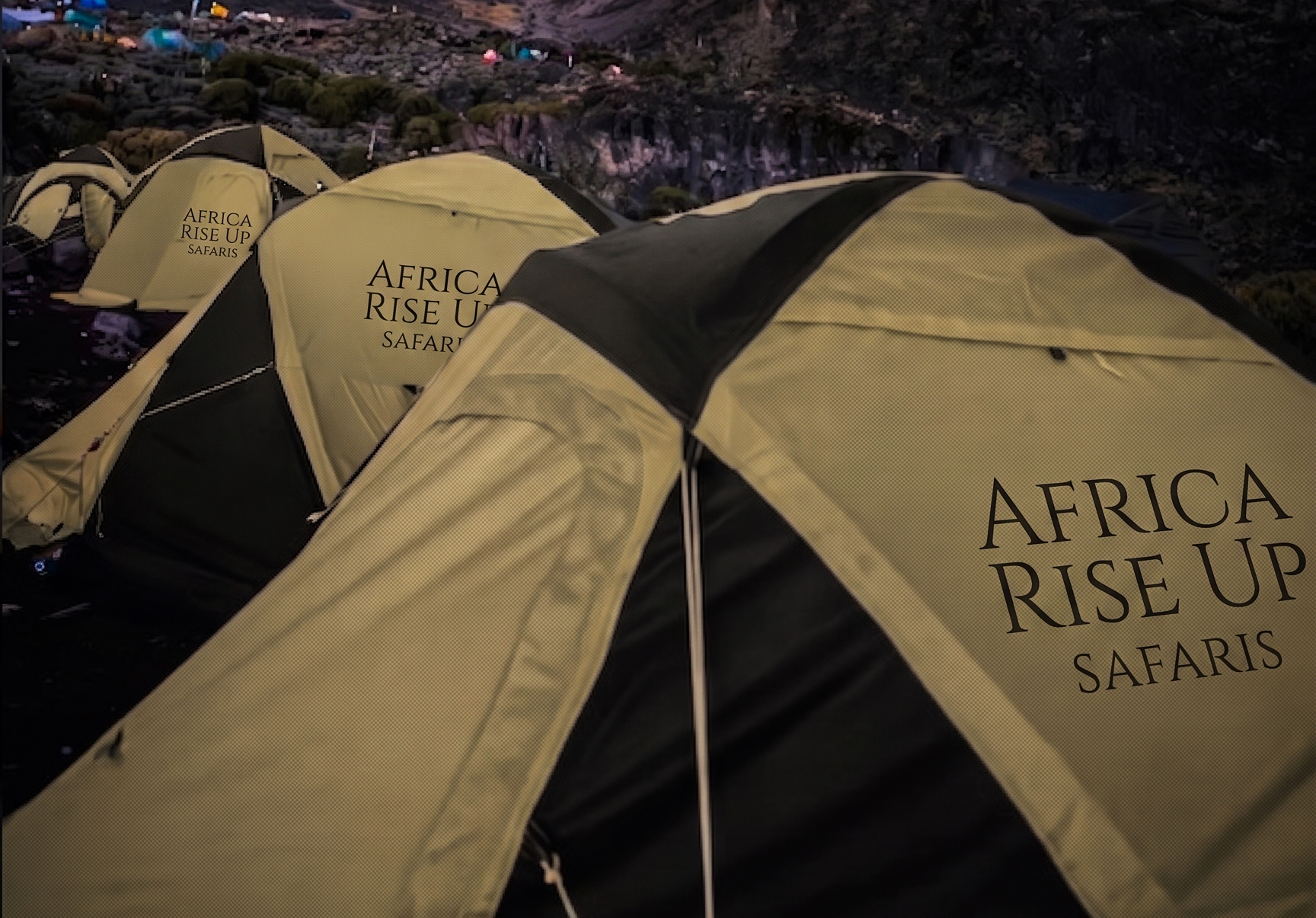
Tented camps on Kilimanjaro
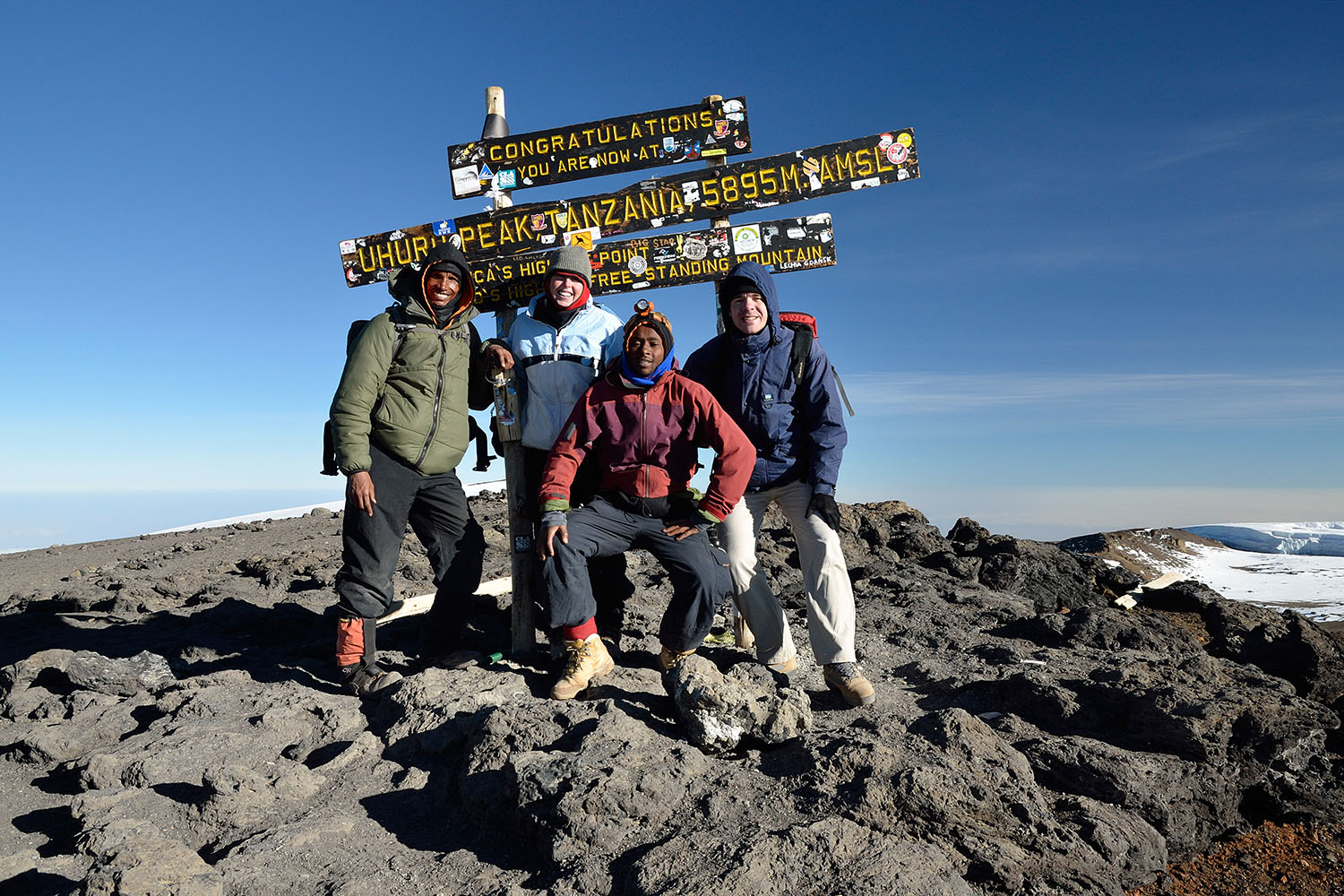
Climbers at the top of Kilimanjaro
How Should I Train to Climb Kilimanjaro?
Achieving a solid cardiovascular fitness baseline is the foundation of a comfortable and successful Mount Kilimanjaro climb. As a practical benchmark, your body should be prepared to run 5 km (3 miles) without distress and comfortably complete a 10 km (6+ miles) day hike across varying elevations. The most effective training regimens focus on building lung capacity and leg endurance through swimming, cycling, long-distance running, and regular trail hiking with a weighted daypack.
Altitude Sickness and the Dangers of Climbing Kilimanjaro
The primary risk associated with trekking on Mount Kilimanjaro is Acute Mountain Sickness (AMS), which is almost entirely triggered by poor, rushed acclimatization. In severe, unmanaged cases, altitude sickness can progress into High Altitude Pulmonary Edema (HAPE) or High Altitude Cerebral Edema (HACE)—both of which are critical, life-threatening conditions.
Fortunately, AMS is entirely preventable with the correct operational approach. By choosing a high-acclimatization 7-day or 8-day itinerary, prioritizing continuous hydration, and maintaining a slow, deliberate walking pace (“polé polé”), you give your body the time it needs to adapt to declining barometric pressure. Elite guide expertise is paramount on the trail; always climb with an operator whose mountain crews are certified Wilderness First Responders (WFR), trained directly in advanced high-altitude emergency medicine, continuous pulse oximetry tracking, and rapid evacuation protocols. Dive deeper into our preventative safety frameworks in our dedicated guide to acclimatization on Kilimanjaro.
Kilimanjaro Packing List
Packing for Mount Kilimanjaro is a unique challenge. Over the course of a single trek, you will pass through five distinct ecological zones—moving from hot, humid tropical rainforests at the base to a freezing arctic desert at the summit, where temperatures regularly plummet below -10°C (14°F).
To stay warm, dry, and safe, you must utilize a technical layering system. This comprehensive checklist outlines exactly what you need to pack for your expedition.
Avoid cotton entirely. Cotton traps moisture and sweat, which can freeze at higher altitudes and cause hypothermia. Pack moisture-wicking synthetic or merino wool fabrics instead.
Base Layer (2-3 Pairs): Moisture-wicking thermal tops and bottoms (Merino wool is highly recommended for odor resistance and warmth).
Trekking Shirts (3-4): Lightweight, breathable short and long-sleeve shirts (synthetic fabrics).
Hiking Pants (2 Pairs): Convertible or standard technical trekking pants (convertible pants are excellent for the warm lower zones).
Insulating Mid-Layer (1-2): A warm fleece jacket or a lightweight synthetic down sweater.
Heavy Outer Layer (1): A high-quality, insulated down jacket with a hood (essential for freezing summit nights).
Waterproof Shell (1 Jacket, 1 Pants): Breathable, windproof, and waterproof Gore-Tex outer layers to shield you from unexpected rain, snow, and alpine winds.
Underwear (4-5 Pairs): Athletic, moisture-wicking synthetic underwear.
Your hands, feet, and head are the most vulnerable to high-altitude cold. Invest in high-quality gear for these areas.
Trekking Boots: Waterproof, broken-in hiking boots with excellent ankle support. Do not buy brand-new boots right before the trip; wear them during training to prevent blisters.
Camp Shoes: Comfortable sneakers or sports sandals to wear around the campsites after a long day of trekking.
Hiking Socks (4-5 Pairs): Thick, merino wool or synthetic thermal socks specifically designed for hiking.
Sock Liners (2-3 Pairs): Thin liners to wear underneath your main socks to drastically reduce friction and prevent blisters.
Gaiters (1 Pair): Optional but highly recommended to keep dust, scree, and snow out of your boots.
Gloves: One pair of lightweight fleece gloves for daily trekking, and one pair of heavy, waterproof, insulated summit mittens.
Headwear: A wide-brimmed sun hat or baseball cap for the lower zones, and a thick thermal beanie or balaclava that completely covers your ears for the summit push.
Neck Gaiter: A buff or fleece neck scarf to protect your face from dust and freezing alpine air.
The Main Duffel Bag: A 90L to 120L soft-sided waterproof duffel bag. This bag holds all your gear and is carried by our porter crew between camps. Note that our strict porter welfare rules limit the weight of this bag to a maximum of 15 kg (33 lbs).
Daypack (25L to 35L): The pack you carry yourself on the trail. It must have a built-in rain cover and space to carry your daily water, camera, snacks, rain gear, and personal medications.
Sleeping Bag: A four-season down sleeping bag rated to at least -15°C (5°F).
Trekking Poles: One pair of adjustable trekking poles with rubber tips. These are vital for reducing the impact on your knees during steep descents.
Water Hydration Systems: A combination of a 2L to 3L hydration bladder (like a CamelBak) for daily trekking, and a 1L insulated Nalgene water bottle. Hydration bladder tubes can freeze on summit night, making a wide-mouth bottle essential.
Headlamp: A high-intensity LED headlamp with extra sets of lithium batteries (essential for midnight summit launches; standard batteries drain instantly in sub-zero cold).
Power Bank: A heavy-duty, portable solar or lithium power bank (20,000mAh+) to charge your smartphone and camera devices, as there is no electricity on the mountain.
Sunglasses: High-protection UV-blocking sunglasses (Category 3 or 4) to prevent snow blindness from the high-altitude glare.
Sunscreen & Lip Balm: High SPF broad-spectrum sunscreen and zinc-based lip balm to protect against intense high-altitude UV rays.
Personal First Aid: Prescription medications, ibuprofen or paracetamol, blister treatment kits (Compeed), anti-diarrhea tablets, and Diamox (if you choose to use altitude medication).
Hygienic Supplies: Biodegradable wet wipes, a quick-drying travel towel, alcohol-based hand sanitizer, and a small pack of pocket tissues.
Don't Want to Buy Everything? Rent from Our Warehouse!
You do not need to spend thousands of dollars buying heavy winter gear that you may never use again. At our gear store in Arusha, Africa Rise Up Safaris maintains a premium inventory of professionally sanitized, high-altitude gear available for rent during your pre-climb briefing day.
From specialized down jackets and four-season sleeping bags to technical trekking poles and rain gear, we have you covered at affordable weekly rates.