Overview
Experience the most emotionally charged phase of the Great Wildebeest Migration during this intensive four-day Ndutu migration safari in Tanzania. Carefully crafted to maximize your exposure to the annual wildebeest calving season, this specialized expedition takes you deep into the nutrient-rich short-grass plains of the southern Serengeti ecosystem and the Ngorongoro Conservation Area. Between late January and March, over half a million wildebeest calves are born in this specific region within a remarkable two-to-three-week window. This incredible surge of vulnerable new life triggers an explosive concentration of apex predators, transforming the Ndutu plains into an intense arena of survival. Guided by our expert local trackers using specialized off-road driving permits, you will witness thrilling predator-prey interactions involving large prides of lions, solitary cheetahs, leopards, and spotted hyenas. Concluding with a comprehensive descent into the legendary Ngorongoro Crater to search for the endangered black rhino, this four-day Tanzania safari delivers the ultimate high-action wildlife spectacle for serious nature photographers and adventure seekers.
Trip Highlights
- Witness the miraculous birth of thousands of wildebeest calves daily on the Ndutu plains during the peak calving season.
- Experience exclusive off-road game driving in the Ndutu region to get intimately close to the migration herds and hunting predators without disturbing the wildlife.
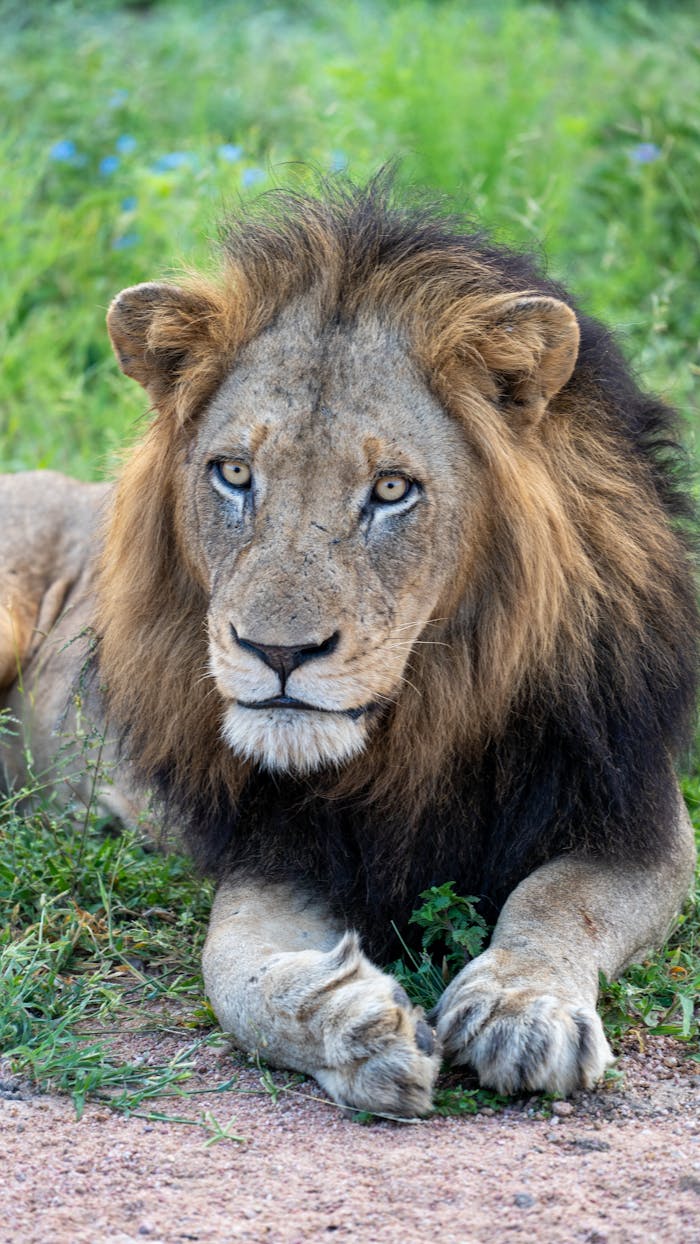
- Track high-density big cat populations, capturing incredible wildlife photography of cheetahs sprinting and lions stalking through the open savanna.
- Descend into the magnificent Ngorongoro Crater, a UNESCO World Heritage site, for a high-probability opportunity to spot the complete African Big Five.
Itinerary
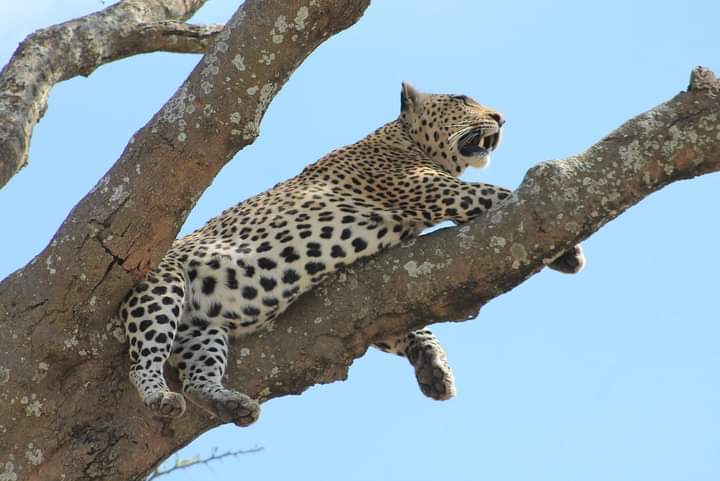
Your spectacular Tanzanian wildlife adventure commences as your professional Africa Rise Up safari guide welcomes you in Arusha and escorts you to your private customized four-wheel-drive Land Cruiser. Leaving the bustling safari capital behind, your journey takes you across the floor of the Great Rift Valley and up the steep, winding roads into the cool, mist-draped volcanic highlands of the Ngorongoro Conservation Area. As you crest the crater rim and begin your descent down the western slopes, the dense montane forest dramatically gives way to the sweeping, seemingly infinite short-grass plains that form the vital border between the Serengeti National Park and the Ndutu region. Upon entering the Ndutu ecosystem, you will immediately notice massive congregations of migratory wildebeests and zebras stretching all the way to the horizon, drawn here by the calcium-rich volcanic soil that produces highly nutritious grass for lactating mothers. Following a delightful picnic lunch enjoyed in the shade of an umbrella acacia tree, you will embark on your very first afternoon game drive around the alkaline shores of Lake Ndutu and Lake Masek. Your guide will utilize specialized tracking techniques to locate resident lion prides and stealthy leopards resting in the woodland canopies before you arrive at your authentic wilderness camp to enjoy a freshly prepared dinner and a peaceful night under the starlit African sky.
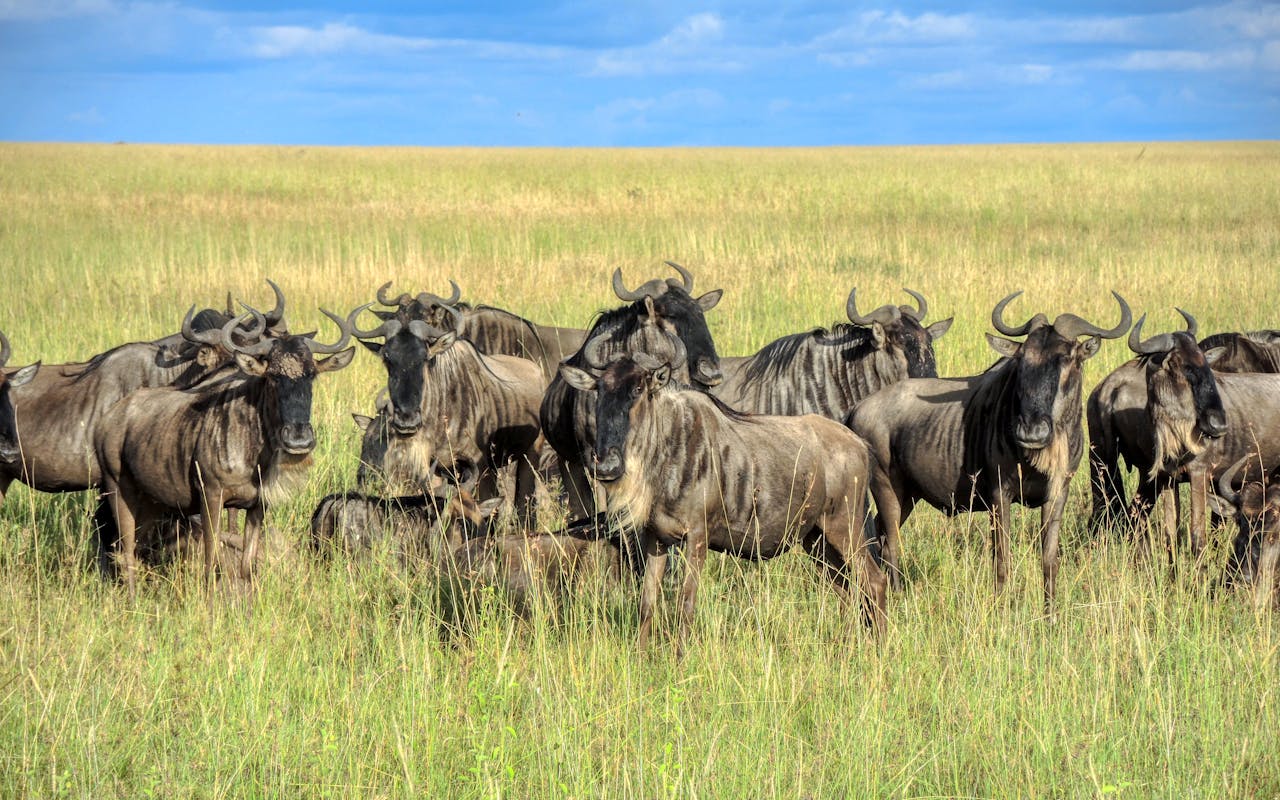
Waking to the mesmerizing chorus of thousands of wildebeests and the distant calls of savanna birds, you will enjoy a hot cup of Tanzanian coffee before venturing out onto the Ndutu plains for a comprehensive full-day game drive. Because the Ndutu region operates under unique conservation regulations that permit legal off-road driving, your expert guide can skillfully navigate the 4x4 vehicle directly across the open plains to position you safely within arm's reach of the massive migrating herds. Throughout the day, you will bear witness to the miraculous synchronized calving phenomenon, observing newborn wildebeest calves struggling to their feet and learning to run alongside their mothers within mere minutes of being born. This overwhelming abundance of young, vulnerable prey naturally attracts an astonishing density of apex predators, providing you with unparalleled opportunities to photograph cheetahs initiating high-speed chases, hyenas scavenging on the fringes of the herds, and large lion prides organizing tactical hunts across the grasslands. Instead of returning to camp, you will maximize your wildlife viewing time by enjoying a packed gourmet lunch directly in the bush, allowing you to follow the dynamic movements of the animals throughout the varying afternoon light. As the golden hour approaches, casting a spectacular warm glow over the savanna, you will slowly make your way back to your comfortable mobile tented camp to share thrilling stories of the day's predator encounters around a crackling campfire.
You will embark on a final, extensive morning game drive across the southern Serengeti plains, utilizing the cool early light to spot nocturnal predators like bat-eared foxes and serval cats before they retreat into the tall grass for the day. This last exploration of the Ndutu region offers a final opportunity to photograph the sheer magnitude of the Great Wildebeest Migration and capture intimate moments of mother-calf bonding against the spectacular backdrop of the vast African wilderness. Following a rewarding morning of wildlife tracking, you will bid farewell to the endless plains and begin your scenic ascent back into the lush, green highland ecosystem of the Ngorongoro Conservation Area. The transition in landscape is truly breathtaking as the dry savanna gives way to dense forests draped in old man's beard lichen and vibrant tropical flora. You will arrive at your premium lodge situated directly on the precipice of the breathtaking Ngorongoro Crater rim, where you can check into your room and marvel at the panoramic views of the world's largest intact volcanic caldera sprawling below you. The evening is yours to spend relaxing on the viewing deck with a hot beverage, watching the shadows lengthen across the crater floor as the sun dips below the horizon, followed by an elegant multi-course dinner served beside a roaring log fire in the main dining hall.
You will descend the steep, dramatic inner walls of the caldera just as the morning mist begins to lift, granting you early access to the magnificent Ngorongoro Crater floor before the peak daytime crowds arrive. This self-contained, two-hundred-and-sixty-square-kilometer natural amphitheater acts as an incredible wildlife sanctuary, supporting a permanent population of over twenty-five thousand large mammals that do not participate in the annual migration. As you navigate the diverse micro-ecosystems of the crater floor, you will drive through the fever tree forests of Lerai to spot massive old-bull elephants, cruise past the Ngoitokitok springs where pods of hippopotamuses grunt and wallow, and search the open grasslands for heavily maned lions. Your guide will pay special attention to the areas surrounding the alkaline Lake Magadi, which is frequently tinged pink by thousands of lesser flamingos, to diligently track the critically endangered black rhinoceros, giving you a very strong chance of completing the coveted African Big Five checklist. Following a highly rewarding morning of game viewing and a scenic picnic lunch enjoyed safely within the crater, you will begin your steep ascent back up the volcanic walls. Your private safari vehicle will then carry you comfortably along smooth tarmac roads back to Arusha, arriving in time for your onward international flight or your designated hotel drop-off, bringing your extraordinary wildebeest calving expedition to a triumphant close.
Includes/Excludes
Cost Includes
- - Full private transport in a customized 4x4 Toyota Land Cruiser featuring a pop-up roof for unobstructed 360 degreewildlife photography.
- - The dedicated services of an elite, professional, English-speaking local Tanzanian safari driver-guide. All mandated national park admission permits, Ngorongoro conservation fees, and wildlife management entry vouchers.
- - Specialized Ndutu region off-road driving permits, allowing your vehicle to leave the dirt tracks to follow the migration
- - The mandatory Ngorongoro Crater floor vehicle descent fee.
- - 3 nights of premium accommodation at handpicked mid-range lodges or seasonal mobile tented bush camps.
- - All meals while on safari, including full hot breakfasts, scenic picnic lunches in the bush, and multi-course dinners.
- - Unlimited filtered bottled mineral water, hot local coffee, and premium snacks served daily inside the safari vehicle.
- - Private, hassle-free airport transfers to and from Kilimanjaro International Airport (JRO) or Arusha Airport (ARK).
Cost Excludes
- - International commercial flight tickets to and from Tanzania. Tanzanian tourist entry visa fees (Requires online application:
- - $50 for standard global citizens, $100 for US citizens).
- - Comprehensive international travel medical, emergency evacuation, and trip cancellation insurance policies.
- - Discretionary tipping guidelines for your professional safari guide (Industry standard is $20 to $30 USD per day, per vehicle).
- - Gratuities for lodge or tented camp staff (Recommended $10 to $20 USD per night, placed via the communal tip box).
- - Personal premium alcoholic beverages, sodas, and laundry services requested at the accommodations.
- - Optional cultural excursions, such as a traditional Maasai Boma village visit along the Ngorongoro rim.
Frequently Asked Questions
Wildebeest Calving Safari Preparation & Details
The migratory herds specifically travel to the Ndutu region in the southern Serengeti ecosystem between January and March because of the unique volcanic soil found there. When the short rains fall, this soil produces short-grass that is incredibly high in calcium, magnesium, and phosphorus. This vital nutrition allows the lactating wildebeest mothers to produce highly enriched milk, giving their newborn calves the strength to stand and run within minutes of birth.
Unlike the central and northern Serengeti National Park, where strict regulations require all vehicles to remain on designated dirt tracks, the Ndutu region permits legal, regulated off-road driving. This unique advantage means our guides can steer your 4x4 Land Cruiser directly across the open savanna to position you safely alongside the herds or closely follow a cheetah stalking its prey, resulting in world-class, unobstructed photography angles.
While the African wilderness is natural and unscripted, your statistical probability is exceptionally high if you travel during the peak weeks of February. During this specific window, an estimated eight thousand wildebeest calves are born every single day across the plains, meaning you are very likely to observe a live birth or witness newborns taking their very first steps.
The sudden presence of half a million vulnerable, newborn calves creates a season of plenty for Africa's big cats. This massive concentration of easy prey draws out large prides of lions, coalition groups of cheetahs, and territorial leopards. Because the calves are born in the open short-grass plains, the predator hunts are highly visible during daylight hours, creating a thrilling and dramatic wildlife spectacle.
A mobile tented bush camp is a premium, seasonal accommodation set up directly in the unfenced wilderness to follow the migration herds, providing an incredibly immersive, authentic "Out of Africa" experience. You sleep in large, heavy-duty canvas suites featuring real beds, flush toilets, and hot safari showers. Traditional lodges are permanent, brick-and-mortar structures with standard hotel amenities, often located slightly further away from the immediate migration action.
Yes, it is entirely safe. Our selected Ndutu mobile tented camps employ highly trained local Maasai askaris (guards) who patrol the camp perimeter 24 hours a day. Because the camp is unfenced, wildlife may occasionally wander through the grounds at night. However, the guards will always escort you between your tent and the main dining area after dark, ensuring your complete security.
The Ndutu region typically experiences warm, sunny days with average daytime temperatures around 28 degrees centigrade 82 fahrenheit. However, the Ngorongoro Crater rim, where you will spend your third night, sits at a much higher altitude and can experience chilly temperatures dropping to 10 degrees centigrade 50 Fahrenheit in the early mornings and evenings. We highly recommend packing versatile, breathable layers and a warm fleece jacket.
Because the wildebeest calving season occurs within a very short, highly popular window, premium accommodations and off-road vehicle permits in the Ndutu region sell out incredibly fast. We strongly advise international clients to book their safari at least 6 to 9 months in advance to guarantee the best mobile tented camps and prime dates.
Space inside the rear luggage compartment of a customized safari vehicle is limited. We require all guests to pack their belongings in soft-sided duffel bags or flexible backpacks. Rigid, hard-shell plastic suitcases are extremely difficult to pack alongside camping gear and spare tires and are highly discouraged. We recommend keeping your primary luggage weight under $15text{ kg}$ to $20text{ kg}$.
Tanzania legally requires a Yellow Fever vaccination certificate only if you are arriving from, or have transited for more than 12 hours through, an endemic Yellow Fever country. If you are flying directly from the US, UK, or Europe, the certificate is not mandatory. However, because Ndutu is a malaria-endemic zone, we strongly recommend consulting your doctor for malaria prophylaxis medication prior to travel.
While no ethical safari can guarantee sightings of wild animals, this specific 4-day itinerary offers one of the highest probabilities in East Africa. The Ndutu region is phenomenal for spotting lions, leopards, and elephants, while the buffalo herds are plentiful. The final descent into the Ngorongoro Crater specifically targets the critically endangered black rhino, the final and most elusive member of the Big Five.