- 2
- 2
- 6
- 6
Tarangire National Park
Often described as Tanzania’s “hidden gem,” Tarangire National Park offers a profoundly different, wonderfully rugged safari experience compared to the open plains of the Serengeti. Covering roughly 2,850 square kilometers within the Northern Safari Circuit, the park is named after the meandering Tarangire River. During the annual dry season (June to October), this river becomes the primary source of fresh water for the entire surrounding ecosystem, triggering a localized, mass migration of wildlife that rivals anywhere else in Africa.
Tarangire is globally famous for two iconic features:
– The Elephant Capital of East Africa: Tarangire boasts one of the highest concentrations of elephants on the continent. It is not uncommon for visitors to encounter massive, multi-generational herds of up to 300 individuals digging for underground water in the dry riverbeds or peacefully grazing within feet of the safari vehicles.
– The Ancient Baobab Landscape: The park’s sweeping, golden savanna is heavily punctuated by towering, prehistoric baobab trees—often referred to as the “Tree of Life.” These majestic, bulbous giants provide spectacular, dramatic backdrops for wildlife photography.
Beyond elephants, the park is a sanctuary for apex predators, including lions, leopards, and cheetahs. It also hosts unique and localized species such as the fringe-eared oryx, the long-necked gerenuk, and massive herds of buffalo and zebra. For birdwatching enthusiasts, Tarangire is a paradise, boasting over 550 recorded avian species. With fewer tourist crowds than its famous neighbors, Tarangire offers international travelers an authentic, quiet, and deeply immersive wilderness experience.
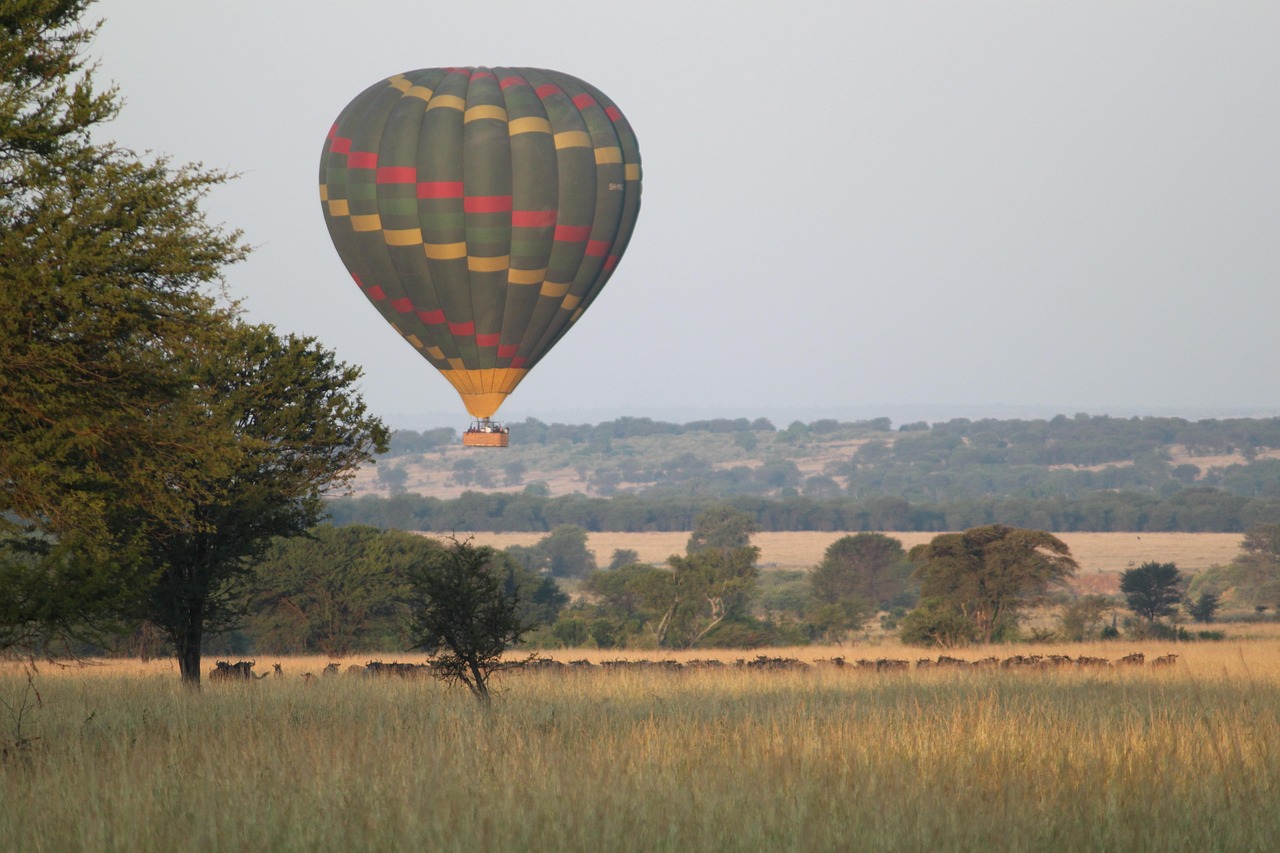
Elevate your East African adventure with our premium 6-Day Big Cats & Serengeti Balloon Safari, a spectacular itinerary combining thrilling ground-level wildlife tracking with the...
Duration
6 Days - 5 Nights
$2,650
Next Departures
October 14, 2026 (Available)October 15, 2026 (Available)October 16, 2026 (Available)
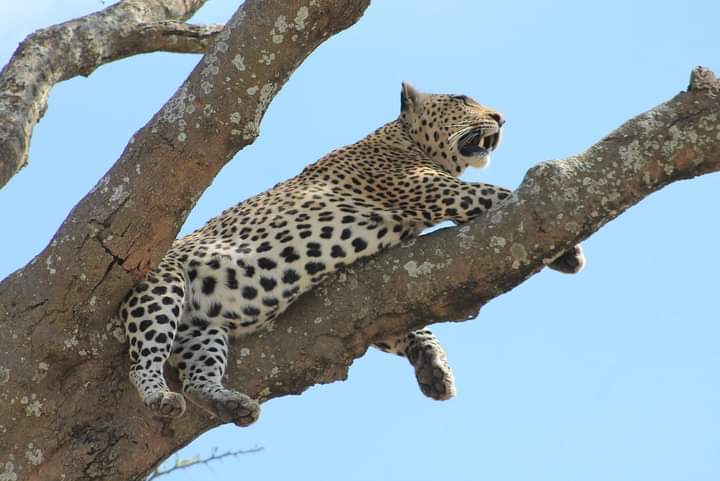
Immerse yourself in the ultimate East African adventure with our comprehensive 7-Day Tanzania Wilderness Safari. This expertly crafted Tanzania northern circuit itinerary is designed to...
Duration
7 Days - 6 Nights
$2,450
Next Departures
October 14, 2026 (Available)October 15, 2026 (Available)October 16, 2026 (Available)
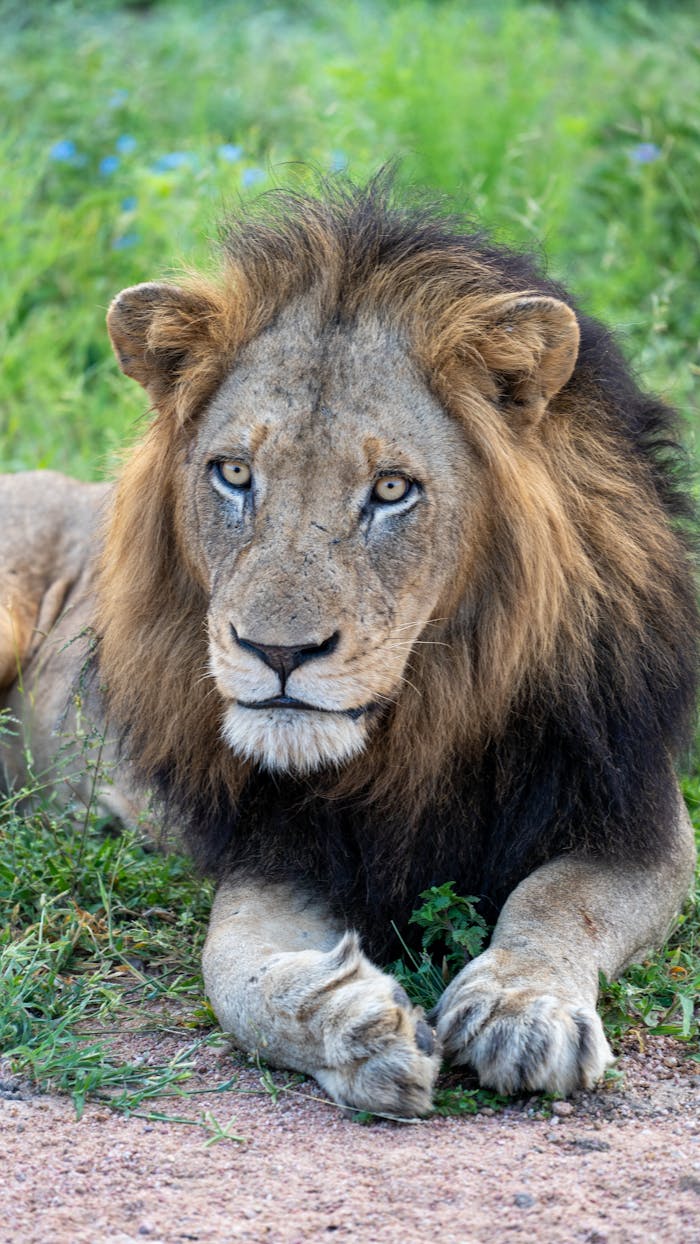
Embark on our highly sought-after 5-Day Tanzania Mid-Range Safari, the perfect balance of thrilling wildlife adventure and comfortable, affordable luxury. This meticulously designed itinerary takes...
Duration
5 Days - 4 Nights
$1,650
Next Departures
October 14, 2026 (Available)October 15, 2026 (Available)October 16, 2026 (Available)
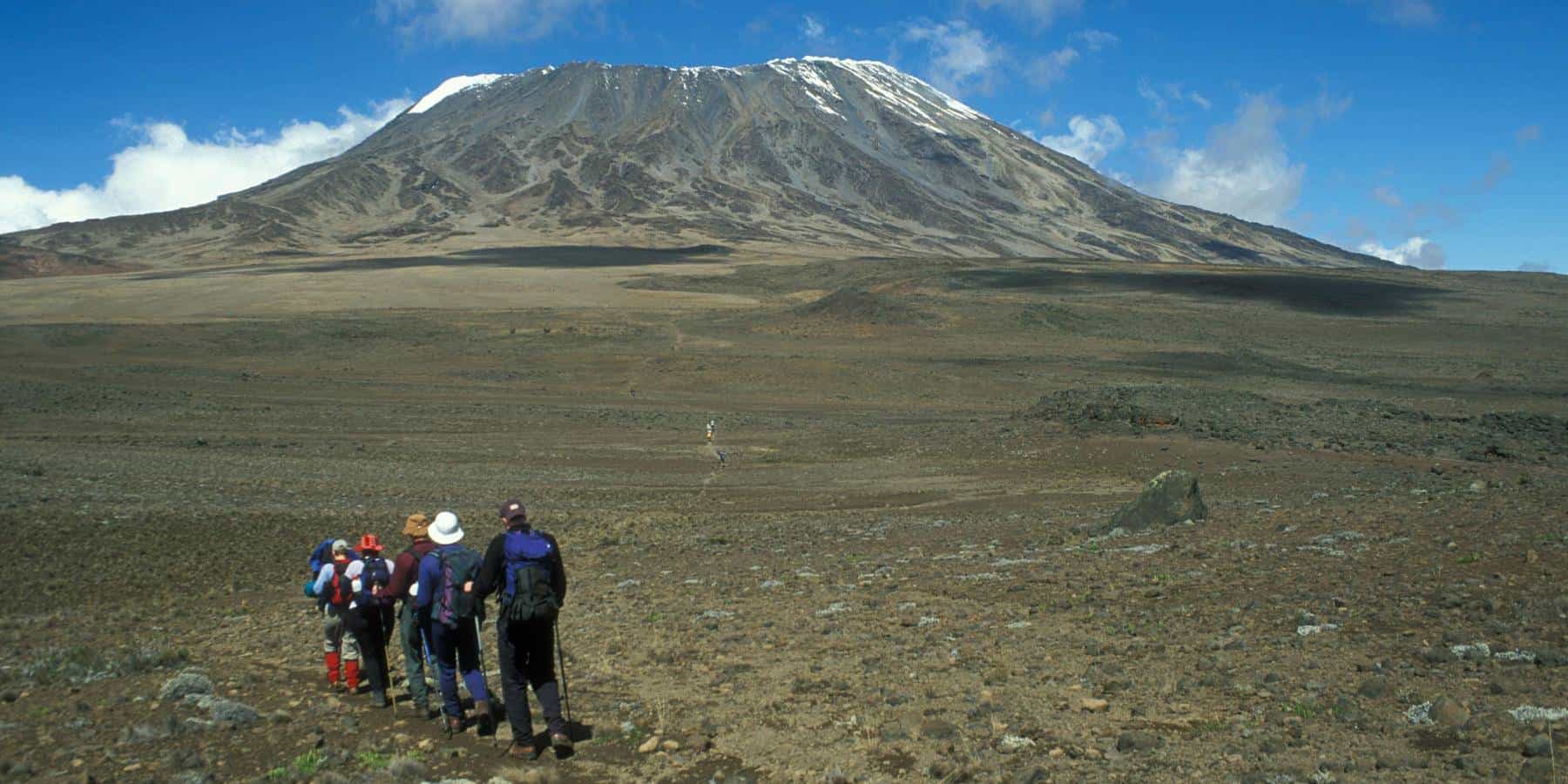
The ultimate African adventure masterpiece awaits on this 13-Day Grand Tanzania Expedition. Expertly curated for thrill-seekers, trekkers, and wildlife lovers, this epic combination tour pairs...
Mount Kilimanjaro, Ngorongoro Conservation Area, Serengeti National Park, Tarangire National Park
Hard
1-12 People
Duration
13 Days - 12 Nights
Duration
2 Days - 1 Night