- 2
- 2
- 6
- 6
Mount Kilimanjaro
Discover Africa’s Highest Mountain
Standing proudly at 5,895 meters (19,341 feet) above sea level, Mount Kilimanjaro is Africa’s tallest mountain and one of the world’s most iconic trekking destinations. Located in northern Tanzania near the Kenyan border, Kilimanjaro attracts thousands of adventurers every year who dream of standing on the highest point of the African continent.
Unlike many of the world’s highest peaks, Mount Kilimanjaro can be climbed without technical mountaineering skills, making it accessible to adventurous travelers from all walks of life. However, reaching the summit remains a significant personal achievement that requires determination, preparation, and the support of experienced guides.
Recognized as a UNESCO World Heritage Site, Mount Kilimanjaro is not only famous for its height but also for its extraordinary natural beauty, diverse ecosystems, and breathtaking landscapes. From lush tropical rainforests and giant heather moorlands to alpine deserts and glaciers near the summit, Kilimanjaro offers one of the most unique trekking experiences on Earth.
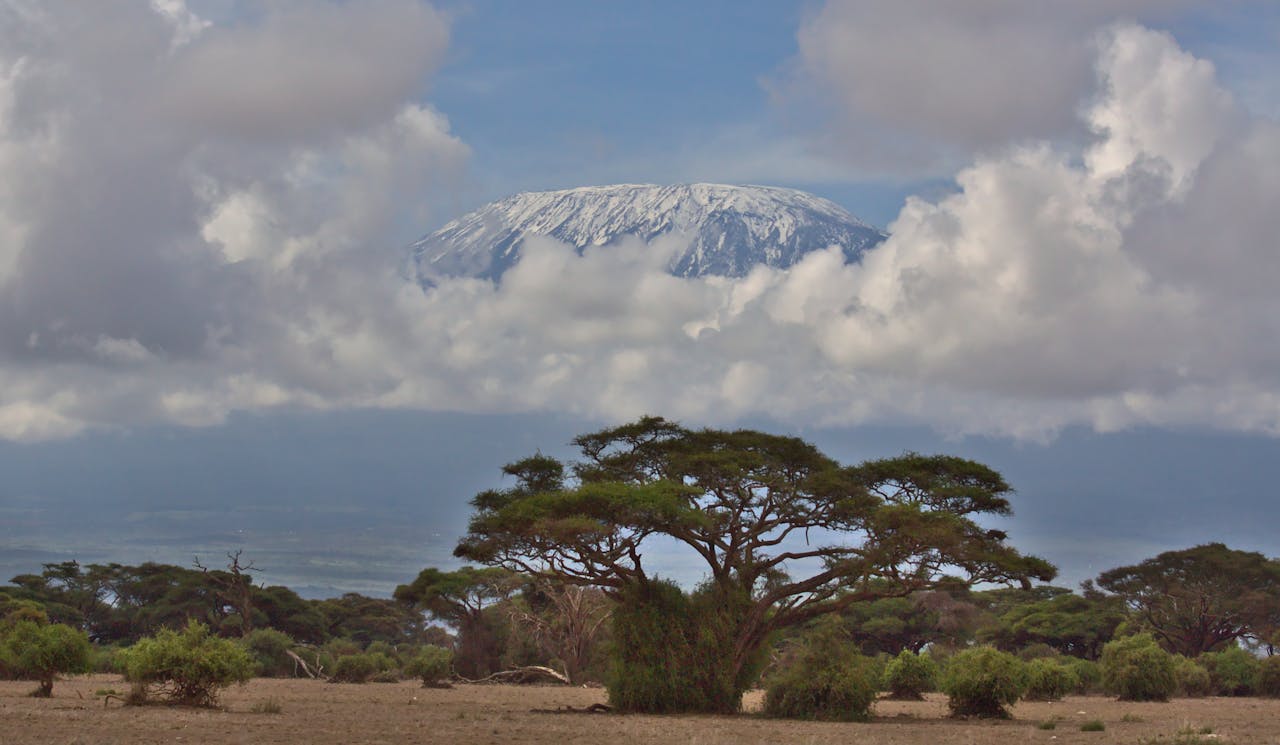
Where is Mount Kilimanjaro Located?
Mount Kilimanjaro is situated in northeastern Tanzania within the Kilimanjaro National Park, approximately 330 kilometers from Arusha and 70 kilometers from Moshi, the main gateway town for climbers.
The mountain rises dramatically from the surrounding plains and can often be seen towering above the African savannah on clear days. Its snow-capped summit creates one of the most recognizable natural landmarks in the world.
The nearest airport is Kilimanjaro International Airport (JRO), which serves as the primary arrival point for international visitors planning to climb the mountain.
The Three Volcanic Cones of Kilimanjaro
Mount Kilimanjaro is actually a massive dormant volcanic complex made up of three volcanic cones:
Kibo Peak
Kibo is the highest and youngest of the three volcanic cones and contains Uhuru Peak, the highest point in Africa at 5,895 meters. Most climbers who summit Kilimanjaro reach Uhuru Peak.
Mawenzi Peak
Standing at 5,149 meters, Mawenzi is the second-highest peak. Its jagged and dramatic landscape is technically challenging and not typically included in standard trekking itineraries.
Shira Peak
Shira is the oldest volcanic cone and has largely collapsed, forming the expansive Shira Plateau, one of the most scenic sections crossed by climbers on the Lemosho and Shira Routes.
Why Climb Mount Kilimanjaro?
Climbing Mount Kilimanjaro is far more than reaching a summit—it is a life-changing journey that challenges both the body and mind while rewarding climbers with unforgettable experiences.
Reach the Highest Point in Africa
Standing on Uhuru Peak is an extraordinary accomplishment that places you on the highest point of the African continent.
Experience Five Unique Climate Zones
Few places on Earth allow you to walk through multiple ecosystems in a matter of days. During your climb, you will travel through:
- Cultivated Farmland Zone
- Tropical Rainforest Zone
- Heather and Moorland Zone
- Alpine Desert Zone
- Arctic Summit Zone
Each zone offers unique landscapes, wildlife, and environmental conditions.
Witness Spectacular Sunrises
One of the most memorable moments of the climb is reaching the summit at sunrise and watching the African plains emerge beneath a sea of clouds.
Challenge Yourself
The mountain attracts people seeking personal growth, adventure, fitness goals, fundraising challenges, and bucket-list achievements.
Popular Routes to Climb Mount Kilimanjaro
Several routes lead to the summit, each offering different scenery, difficulty levels, and success rates.
Lemosho Route
The Lemosho Route is widely considered the most scenic route on Kilimanjaro. Approaching from the remote western side, it offers excellent acclimatization, fewer crowds, and some of the highest summit success rates on the mountain.
Duration: 7–9 Days
Best For: Scenery, acclimatization, and first-time climbers.
Machame Route
Known as the “Whiskey Route,” Machame is one of the most popular and rewarding routes. It offers stunning scenery and excellent acclimatization through the climb-high, sleep-low approach.
Duration: 6–7 Days
Best For: Adventurous trekkers seeking a challenging and scenic climb.
Marangu Route
Often called the “Coca-Cola Route,” Marangu is the only route that provides hut accommodation instead of camping.
Duration: 5–6 Days
Best For: Climbers who prefer indoor accommodation.
Rongai Route
Approaching from the northern side near Kenya, Rongai is the driest route and receives fewer climbers than Machame or Marangu.
Duration: 6–7 Days
Best For: Climbers seeking quieter trails.
Northern Circuit Route
The longest route on Kilimanjaro and the one with the highest summit success rates due to its exceptional acclimatization profile.
Duration: 8–10 Days
Best For: Maximum summit success and panoramic scenery.
Wildlife on Mount Kilimanjaro
While Kilimanjaro is primarily known for trekking, the lower rainforest zone supports a surprising variety of wildlife.
Visitors may encounter:
- Black-and-white colobus monkeys
- Blue monkeys
- Bush babies
- Duikers
- Various bird species
- Tree hyraxes
Wildlife sightings are most common during the early days of the climb.
Best Time to Climb Mount Kilimanjaro
Mount Kilimanjaro can be climbed throughout the year, but certain months provide better weather conditions.
January to March
- Cooler temperatures
- Fewer climbers
- Occasional snow near the summit
- Excellent visibility
June to October
- Dry season
- Clear skies
- Most popular climbing period
- Ideal trekking conditions
November and April to May
- Rainy seasons
- Fewer visitors
- More challenging trail conditions
For most climbers, January–March and June–October offer the best overall experience.
How Difficult is Mount Kilimanjaro?
Although Mount Kilimanjaro does not require technical climbing skills, reaching the summit is physically demanding.
The biggest challenge is altitude rather than steep terrain. As climbers gain elevation, oxygen levels decrease significantly, making proper acclimatization essential.
Success depends on:
- Choosing the right route
- Adequate acclimatization time
- Physical preparation
- Experienced guides
- Maintaining a slow and steady pace
Most healthy individuals with reasonable fitness levels can successfully summit with proper preparation.
Altitude and Acclimatization
Altitude sickness is the primary challenge climbers face on Kilimanjaro.
Professional guides monitor climbers daily using:
- Pulse oximeters
- Heart rate monitoring
- Health assessments
- Acclimatization tracking
Longer routes such as Lemosho and Northern Circuit provide significantly higher summit success rates because they allow more time for adaptation.
What to Pack for Kilimanjaro
Essential items include:
- Waterproof hiking boots
- Thermal base layers
- Insulated down jacket
- Waterproof outer shell
- Warm gloves and hat
- Sunglasses
- Trekking poles
- Sleeping bag
- Headlamp
- Daypack
Most specialized equipment can be rented locally before the climb.
Safety on Mount Kilimanjaro
Safety is our highest priority. Every climb is supported by experienced mountain guides trained in wilderness first aid and high-altitude emergency response.
Our climbing teams provide:
- Daily health monitoring
- Emergency oxygen systems
- First aid equipment
- Mountain rescue support
- Professional evacuation procedures
These measures help ensure a safe and successful climbing experience.
Combine Kilimanjaro with a Tanzania Safari
Many travelers choose to combine their Kilimanjaro climb with a safari through Tanzania’s famous national parks.
Popular safari destinations include:
- Serengeti National Park
- Ngorongoro Crater
- Tarangire National Park
- Lake Manyara National Park
- Arusha National Park
A Kilimanjaro and safari combination offers the perfect balance of adventure, wildlife, and relaxation.
Begin Your Kilimanjaro Adventure
Whether you are pursuing a lifelong dream, celebrating a milestone, or seeking an unforgettable African adventure, Mount Kilimanjaro offers an experience unlike any other.
From the rainforest trails below to the glaciers of Uhuru Peak, every step of the journey reveals extraordinary landscapes, personal achievement, and memories that will last a lifetime.
Join us and discover why climbing Mount Kilimanjaro remains one of the greatest trekking adventures in the world.
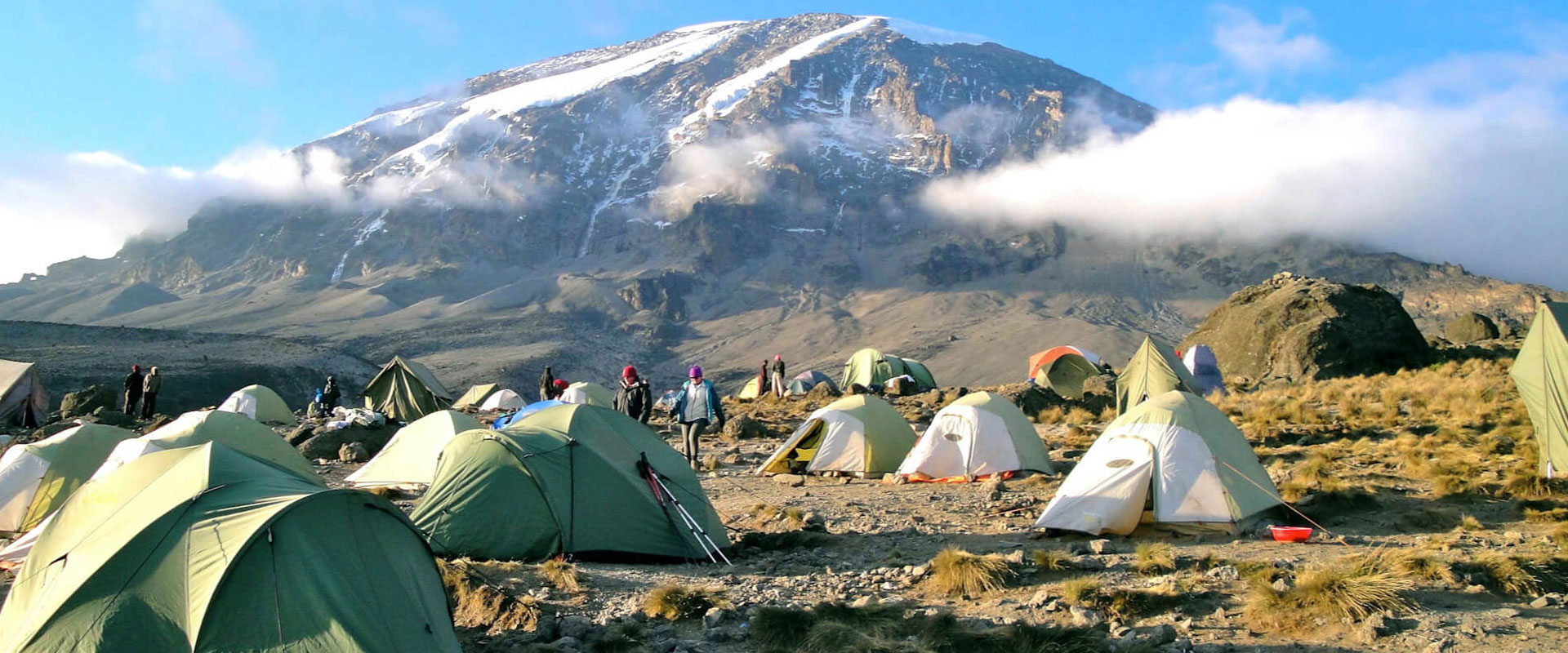
The Lemosho Route is widely regarded as the most scenic and strategically optimized path to the summit of Mount Kilimanjaro. Approaching the mountain from its...
Duration
9 Days - 8 Nights
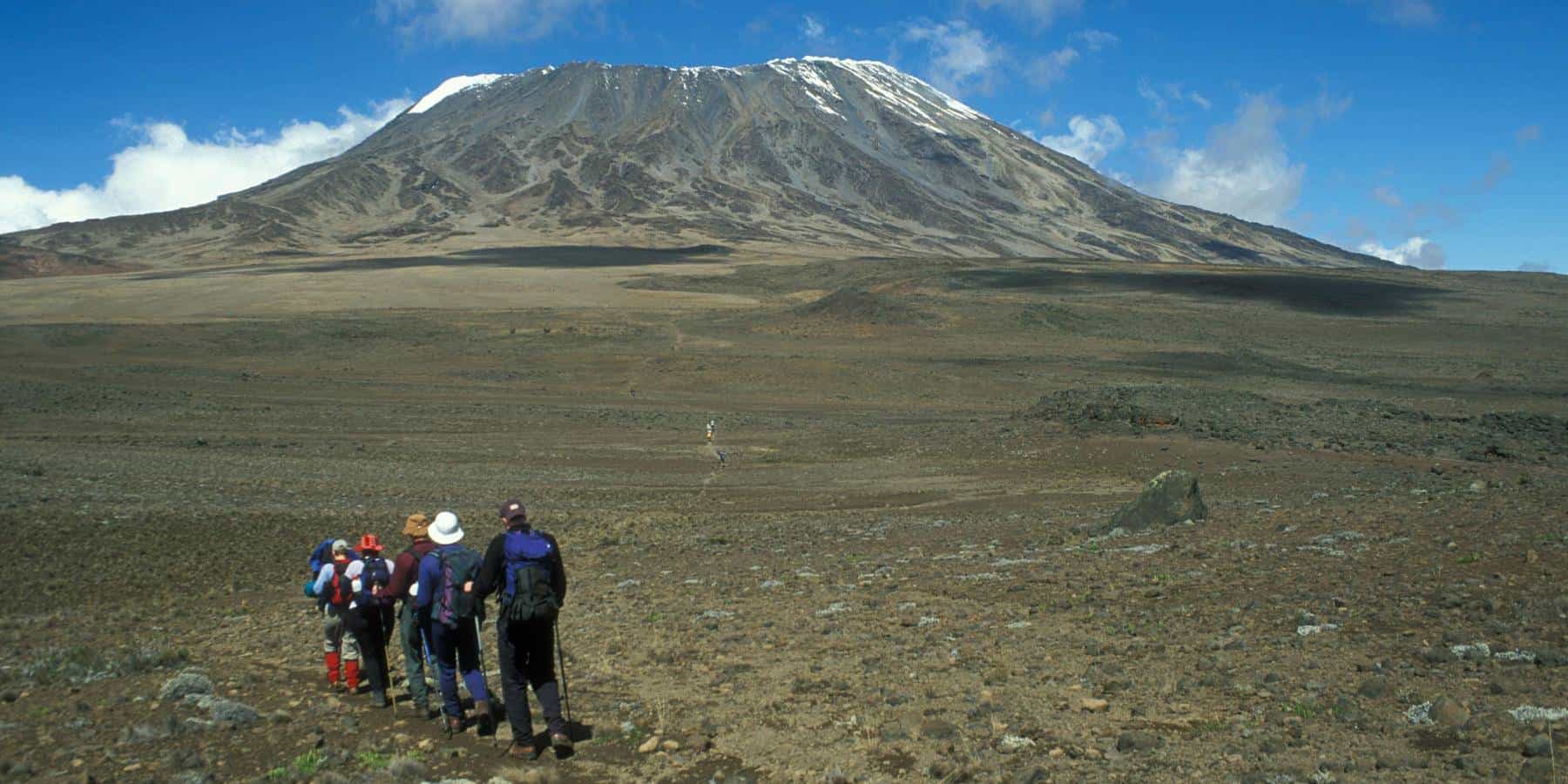
The ultimate African adventure masterpiece awaits on this 13-Day Grand Tanzania Expedition. Expertly curated for thrill-seekers, trekkers, and wildlife lovers, this epic combination tour pairs...
Mount Kilimanjaro, Ngorongoro Conservation Area, Serengeti National Park, Tarangire National Park
Hard
1-12 People
Duration
13 Days - 12 Nights