- 2
- 2
- 6
- 6
Serengeti National Park
As a cornerstone of African wildlife conservation and a UNESCO World Heritage site, Serengeti National Park represents the ultimate safari destination for travelers across the globe. Covering a vast expanse of approximately 14,763 square kilometers of rolling grasslands, savanna, riverine forest, and woodlands, the Serengeti is globally renowned for hosting the Great Wildebeest Migration—the largest synchronized overland migration of mammals on Earth. Each year, over two million wildebeest, zebras, and gazelles traverse this ecosystem in a relentless search for green pastures, closely trailed by Africa’s most formidable apex predators.
For the discerning traveler, the Serengeti offers unparalleled opportunities to witness the “Big Five” (lions, leopards, elephants, buffaloes, and rhinos) in their natural habitat. The park’s unique geography is divided into distinct regions, each offering a contrasting seasonal experience:
The Central Serengeti (Seronera Valley): Celebrated for its year-round abundance of wildlife and dense populations of big cats.
The Western Corridor: Home to the dramatic Grumeti River crossings where massive Nile crocodiles lie in wait.
The Northern Serengeti: Where the spectacular, high-stakes Mara River crossings take place from July to October.
The Southern Plains: Where the synchronized calving season takes place between January and March, painting the plains with new life.
Whether exploring via an open-top 4×4 safari vehicle or drifting silently above the plains in a hot air balloon at dawn, visitors are immersed in an ancient world. The Serengeti is not merely a game drive location; it is an emotional encounter with nature at its most raw and magnificent, making it an indispensable anchor destination for any Tanzanian itinerary.
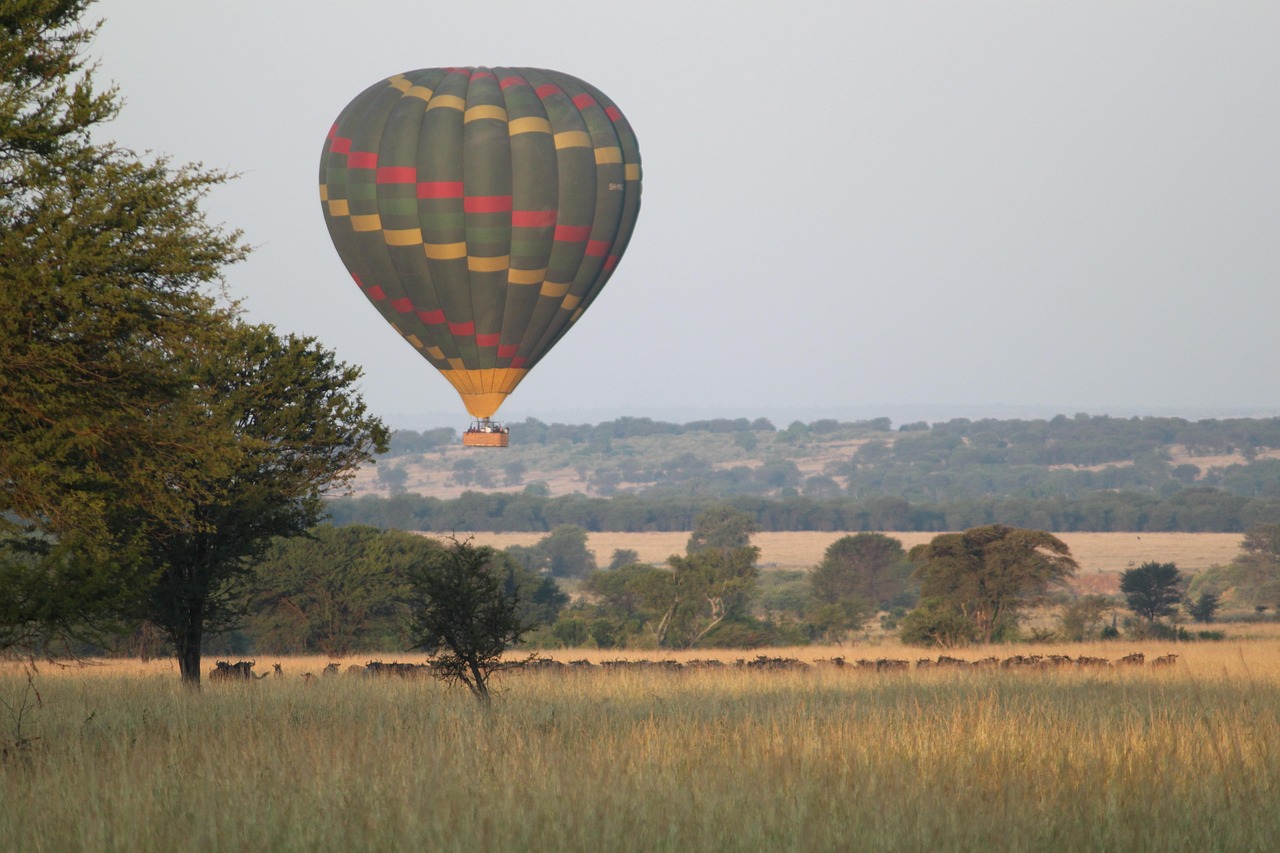
Elevate your East African adventure with our premium 6-Day Big Cats & Serengeti Balloon Safari, a spectacular itinerary combining thrilling ground-level wildlife tracking with the...
Duration
6 Days - 5 Nights
$2,650
Next Departures
October 14, 2026 (Available)October 15, 2026 (Available)October 16, 2026 (Available)
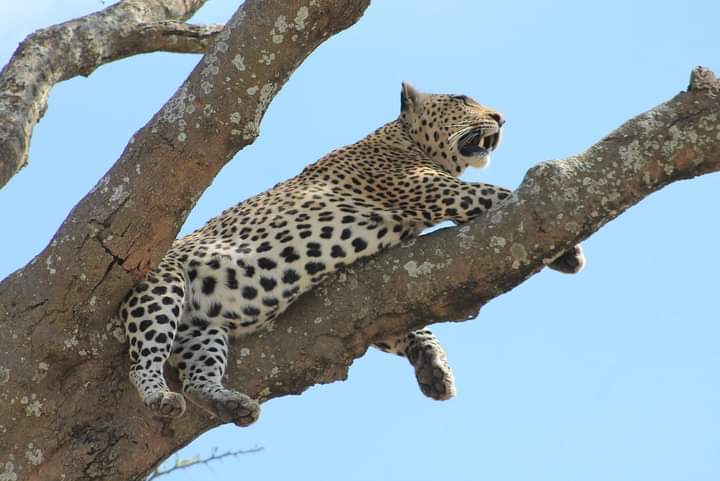
Immerse yourself in the ultimate East African adventure with our comprehensive 7-Day Tanzania Wilderness Safari. This expertly crafted Tanzania northern circuit itinerary is designed to...
Duration
7 Days - 6 Nights
$2,450
Next Departures
October 14, 2026 (Available)October 15, 2026 (Available)October 16, 2026 (Available)
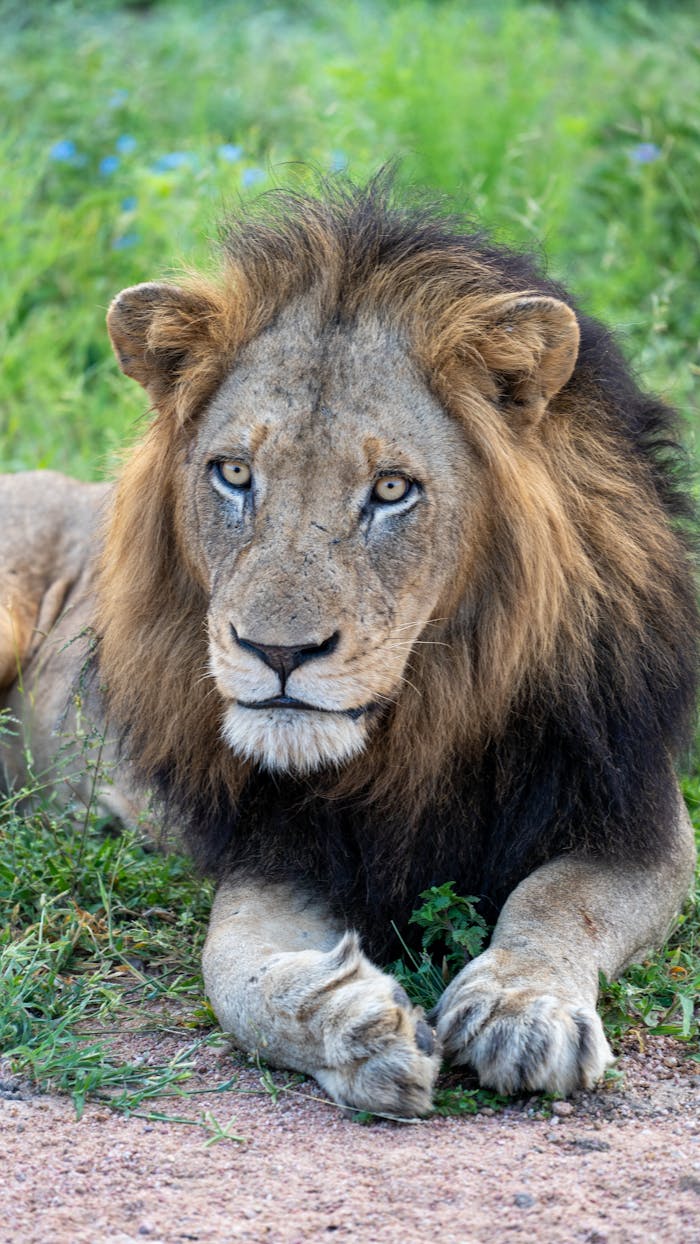
Embark on our highly sought-after 5-Day Tanzania Mid-Range Safari, the perfect balance of thrilling wildlife adventure and comfortable, affordable luxury. This meticulously designed itinerary takes...
Duration
5 Days - 4 Nights
$1,650
Next Departures
October 14, 2026 (Available)October 15, 2026 (Available)October 16, 2026 (Available)
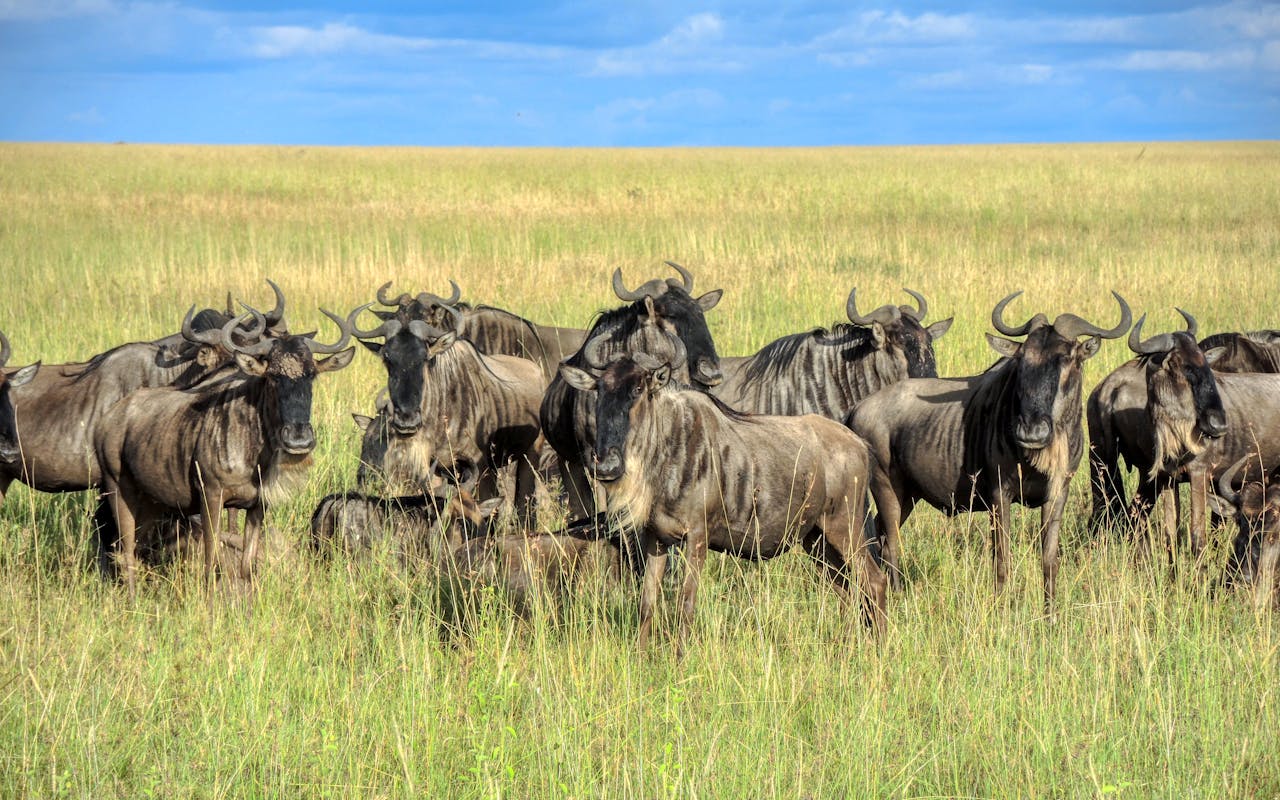
Experience the most emotionally charged phase of the Great Wildebeest Migration during this intensive four-day Ndutu migration safari in Tanzania. Carefully crafted to maximize your...
Duration
4 Days - 3 Nights
$1,750
Next Departures
October 14, 2026 (Available)October 15, 2026 (Available)October 16, 2026 (Available)
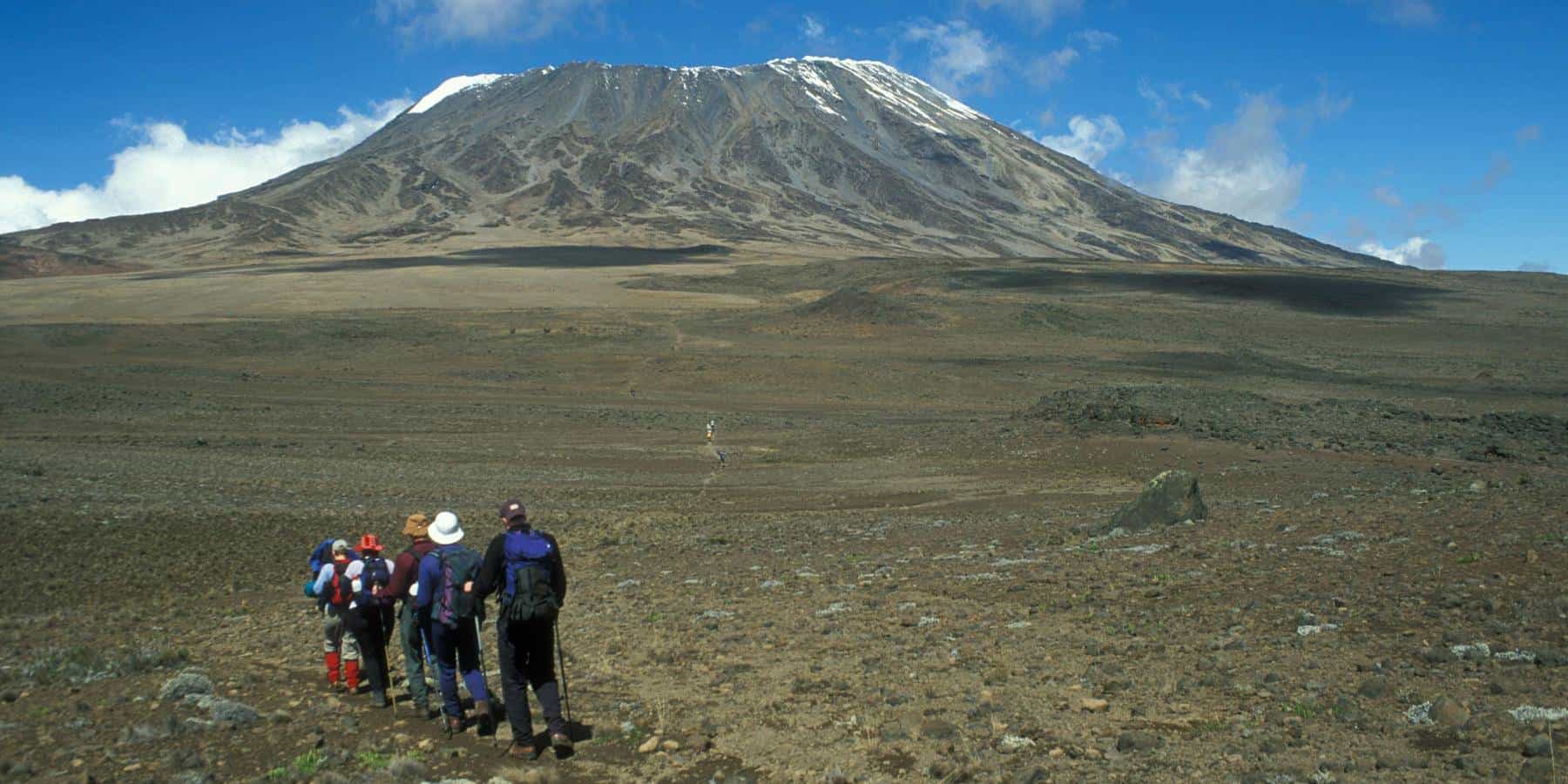
The ultimate African adventure masterpiece awaits on this 13-Day Grand Tanzania Expedition. Expertly curated for thrill-seekers, trekkers, and wildlife lovers, this epic combination tour pairs...
Mount Kilimanjaro, Ngorongoro Conservation Area, Serengeti National Park, Tarangire National Park
Hard
1-12 People
Duration
13 Days - 12 Nights
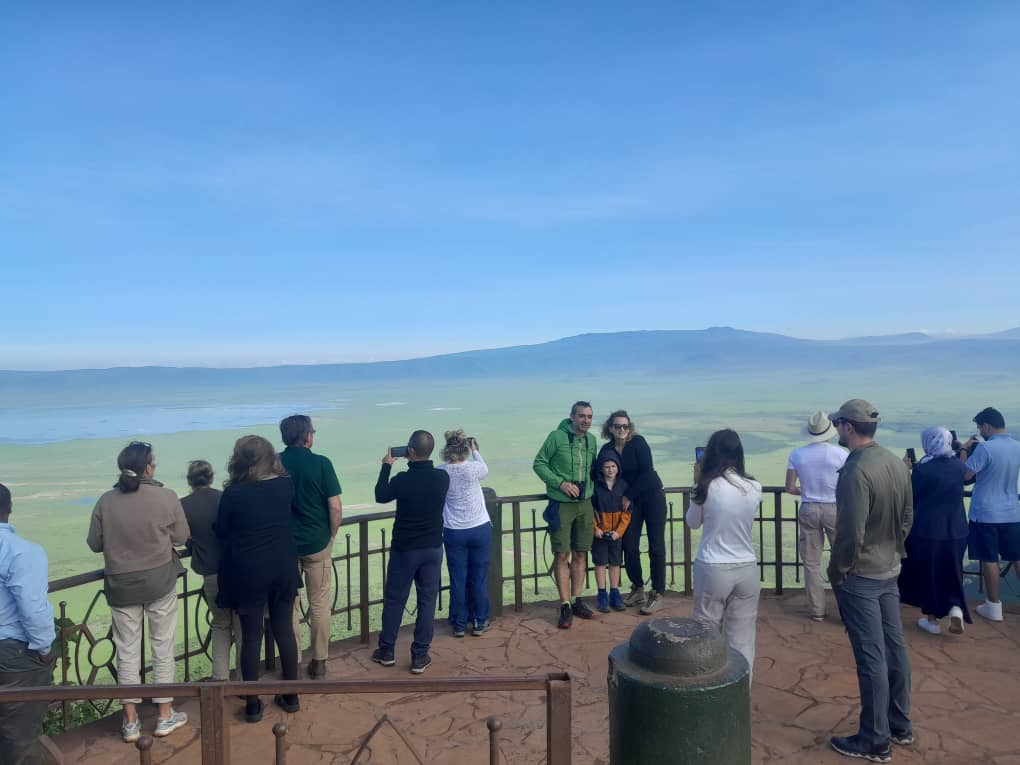
This is our signature best-selling itinerary, engineered to provide deep immersion rather than a rushed glance. Over eight comprehensive days, you will traverse the entire...
Duration
8 Days - 7 Nights