- 2
- 2
- 6
- 6
Ngorongoro Conservation Area
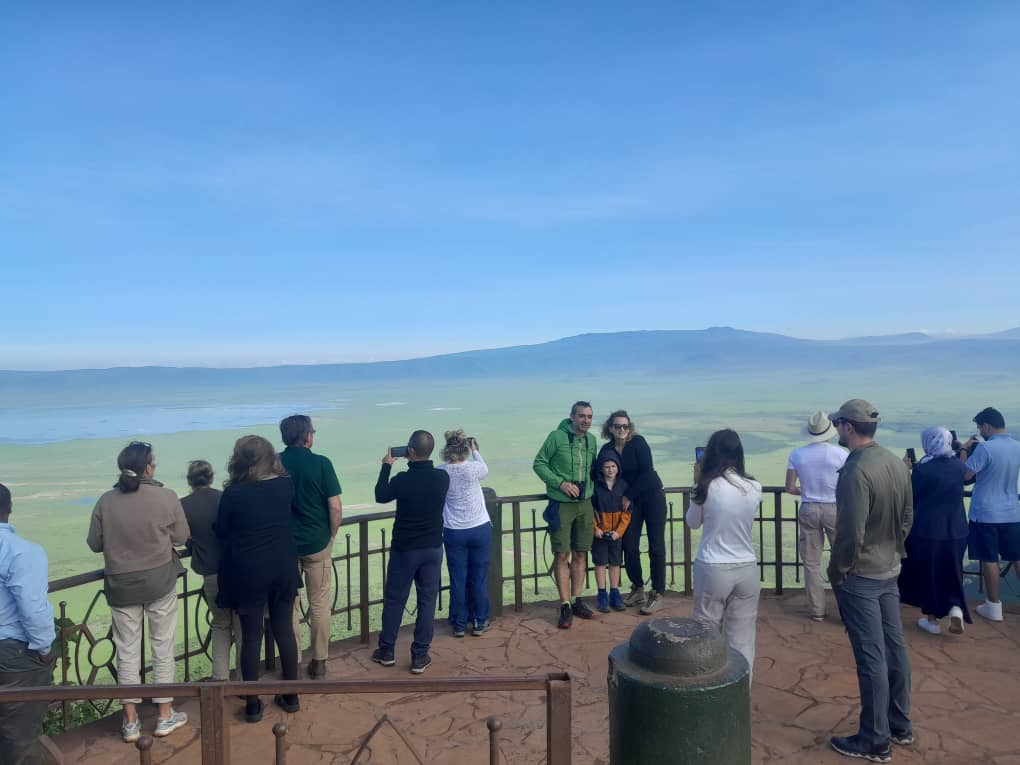
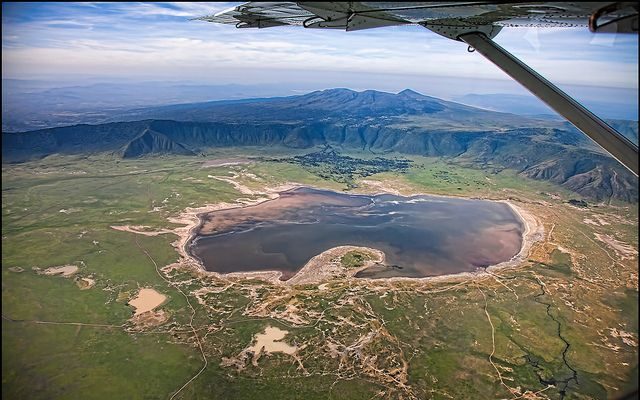
The Ngorongoro Conservation Area is an extraordinary, pioneering UNESCO World Heritage site where wildlife conservation, geological wonders, and traditional human habitation coexist in harmony. The crown jewel of this protected area is the legendary Ngorongoro Crater—the world’s largest intact, unfilled volcanic caldera. Formed when a massive volcano exploded and collapsed on itself roughly three million years ago, the crater floor now forms a natural, self-sustaining amphitheater spanning 260 square kilometers, enclosed by walls rising 600 meters high.
Descending into the crater floor via 4×4 vehicle feels like entering a real-world “Jurassic Park.” Due to its enclosed nature, the crater contains its own distinct ecosystem hosting over 25,000 large mammals year-round.
The Black Rhino Sanctuary: This is one of the premier locations in East Africa to reliably spot the critically endangered black rhino, completing the elusive “Big Five” challenge in a single morning.
Dense Predator Populations: The crater floor boasts an exceptionally high concentration of lions, hyenas, jackals, and leopards, alongside massive old-bull elephants with tusks reaching nearly to the ground.
Lake Magadi: A central alkaline lake that turns a brilliant pink hue when thousands of lesser flamingos arrive to feed on its algae.
Beyond the crater floor, the wider conservation area encompasses the dramatic Olmoti and Empakaai craters, as well as shifting sand dunes. It is also an active homeland for the semi-nomadic Maasai people, who can be seen herding cattle alongside wild zebras and wildebeests. Offering a breathtaking combination of sweeping vistas, dense wildlife viewing, and living cultural landscapes, Ngorongoro stands out as one of the world’s absolute greatest natural wonders.
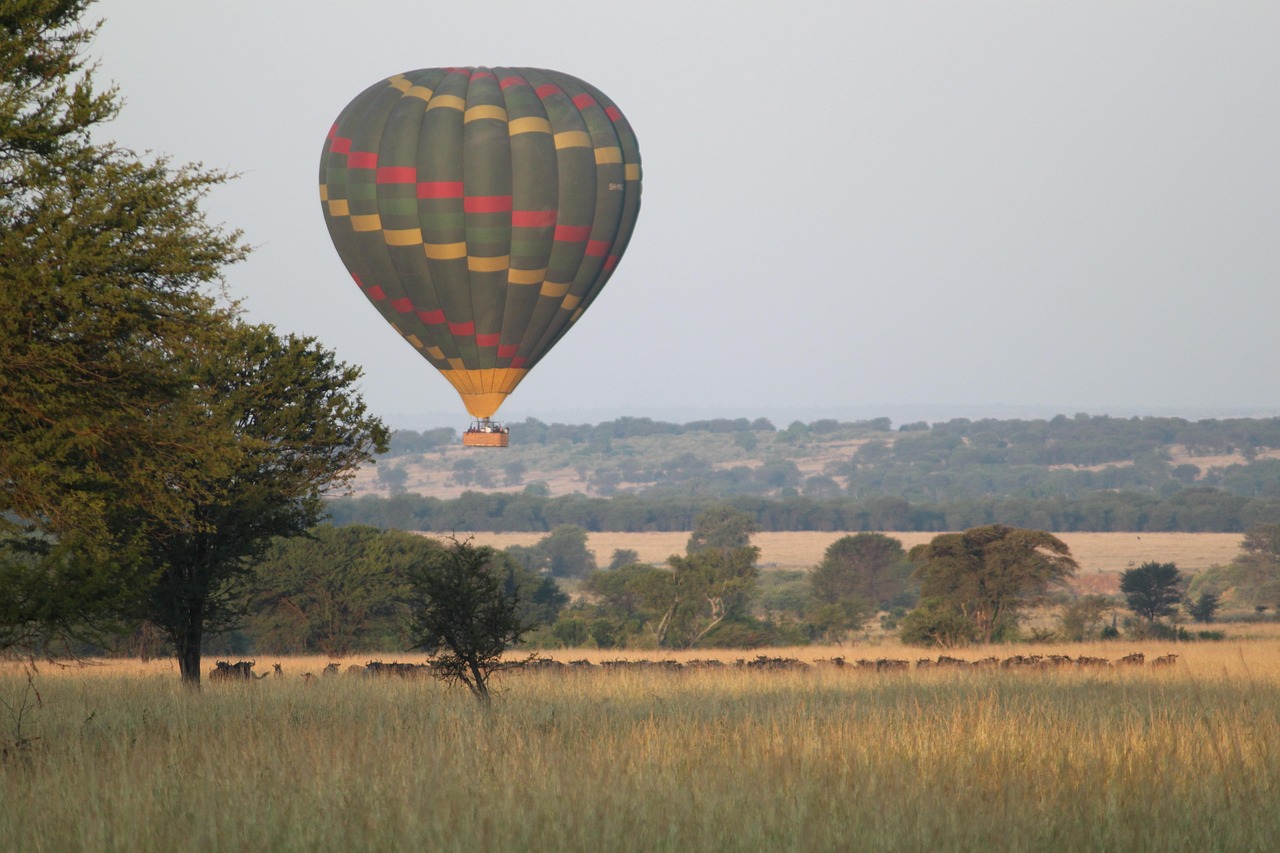
Elevate your East African adventure with our premium 6-Day Big Cats & Serengeti Balloon Safari, a spectacular itinerary combining thrilling ground-level wildlife tracking with the...
Duration
6 Days - 5 Nights
$2,650
Next Departures
October 14, 2026 (Available)October 15, 2026 (Available)October 16, 2026 (Available)
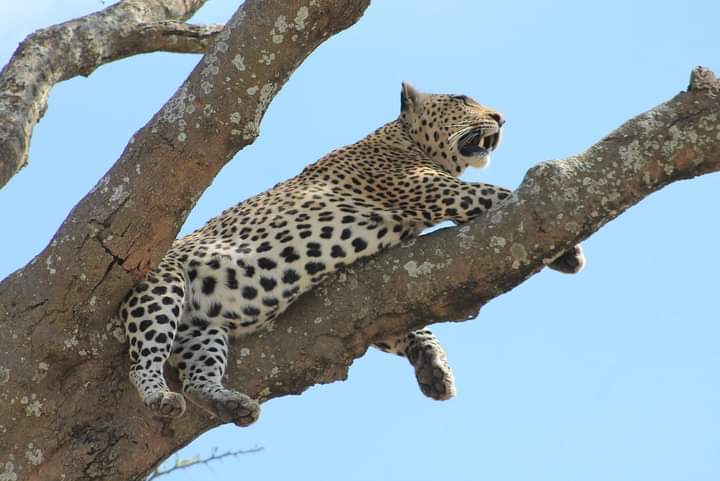
Immerse yourself in the ultimate East African adventure with our comprehensive 7-Day Tanzania Wilderness Safari. This expertly crafted Tanzania northern circuit itinerary is designed to...
Duration
7 Days - 6 Nights
$2,450
Next Departures
October 14, 2026 (Available)October 15, 2026 (Available)October 16, 2026 (Available)
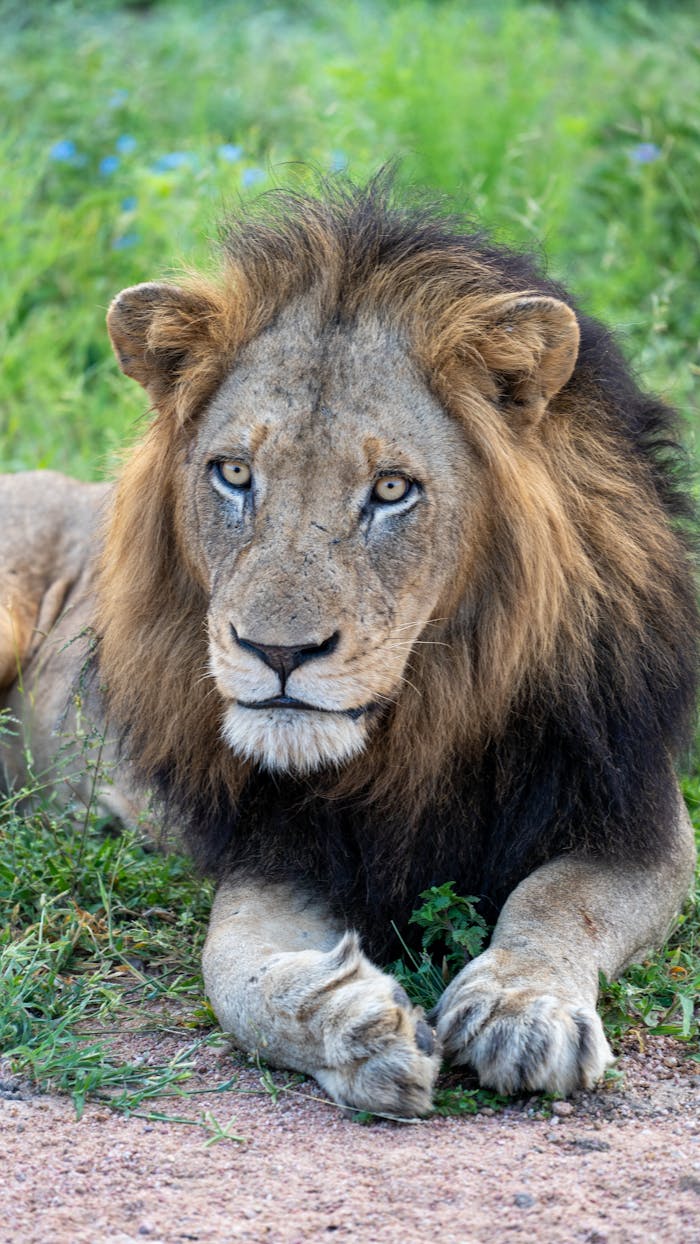
Embark on our highly sought-after 5-Day Tanzania Mid-Range Safari, the perfect balance of thrilling wildlife adventure and comfortable, affordable luxury. This meticulously designed itinerary takes...
Duration
5 Days - 4 Nights
$1,650
Next Departures
October 14, 2026 (Available)October 15, 2026 (Available)October 16, 2026 (Available)
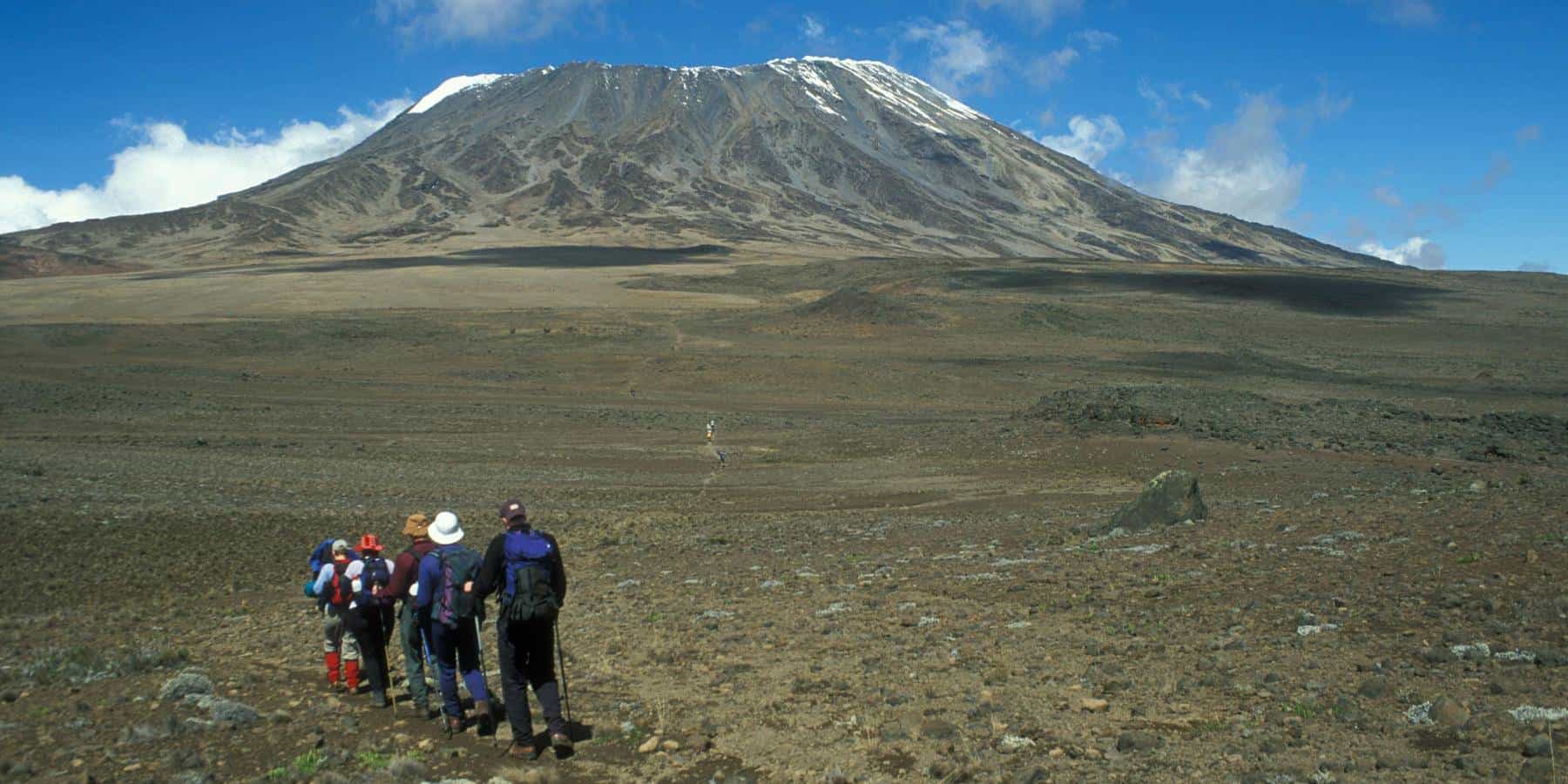
The ultimate African adventure masterpiece awaits on this 13-Day Grand Tanzania Expedition. Expertly curated for thrill-seekers, trekkers, and wildlife lovers, this epic combination tour pairs...
Mount Kilimanjaro, Ngorongoro Conservation Area, Serengeti National Park, Tarangire National Park
Hard
1-12 People
Duration
13 Days - 12 Nights
This is our signature best-selling itinerary, engineered to provide deep immersion rather than a rushed glance. Over eight comprehensive days, you will traverse the entire...
Duration
8 Days - 7 Nights
Duration
2 Days - 1 Night